

BaiJiLi (Tribulus fruit) soothes liver qi to relieve headaches and eye disorders; you should consult dosage, contraindications, and practitioner guidance.
Key Takeaways:
- Bai Ji Li (Tribulus fruit) calms Liver yang and extinguishes wind, commonly used for headaches, dizziness, and vertigo from Liver-fire or Liver-yang rising.
- Bai Ji Li disperses wind and brightens the eyes, indicated for red, swollen, painful, or blurred vision associated with Liver imbalances.
- Typical dosage 3-9 g as a decoction (1-3 g powdered); contraindicated in pregnancy, use caution with hypotensive or anticoagulant drugs, and monitor for gastrointestinal upset or photosensitivity.
Botanical Profile and TCM Energetics
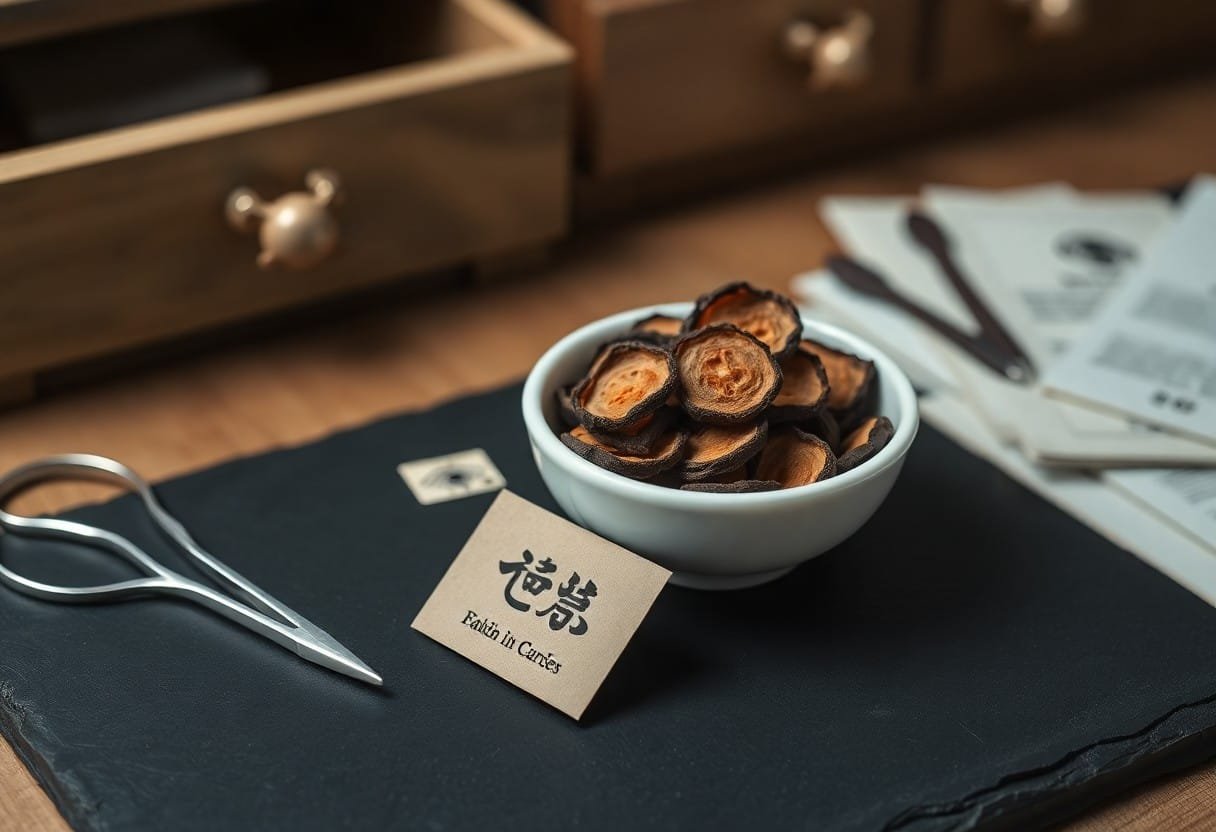
Bai Ji Li (Tribulus fruit) appears as small, ovoid fruits used in TCM to calm liver yang and disperse wind, and you will find it traditionally assigned to the liver and gallbladder meridians for headaches, eye pain, red eyes, and photophobia.
Nature, Flavor, and Meridian Tropism
Taste and nature are primarily acrid with a slight bitterness and a cooling tendency, and you can see how that energetics directs action to the liver and gallbladder channels, supporting use for upward-rising liver yang manifestations and ocular heat.
Key Chemical Constituents and Bioactivity
Saponins such as protodioscin, steroidal saponins, plus flavonoids, alkaloids and sterols comprise the chemical profile, and you can link these constituents to anti-inflammatory, antioxidant, and vasorelaxant effects relevant to vascular headaches and congestive eye symptoms.
Pharmacological studies indicate protodioscin and related steroidal saponins modulate inflammatory cytokines and microcirculation in preclinical models, while flavonoids provide retinal antioxidant protection, so you should note that preparation method and dose substantially affect constituent concentrations and likely clinical outcomes.

Calming the Liver and Anchoring Yang
Bai Ji Li calms the liver and anchors rising yang, so you often find reduced temporal headaches and less eye redness when it’s used in appropriate formulas.
This action directs Liver qi downward and nourishes sinews, helping you stabilize yang and diminish pulsatile pain around the head and eyes.
Addressing Ascendant Liver Yang Patterns
If your presentation includes irritability, flushed face, or tinnitus, you can pair Bai Ji Li with cooling herbs to moderate ascendant liver yang.
Clinically you should monitor blood pressure and adjust dosing so you reduce upward-floating yang without overtaxing liver yin.
Therapeutic Mechanisms for Dizziness and Vertigo
Vascular effects of Bai Ji Li reduce sympathetic overactivity and improve cerebral perfusion, which helps you experience fewer vertiginous episodes.
Herbal constituents also calm liver wind and stabilize internal balance, allowing you to regain equilibrium and lessen spinning sensations.
Studies show that Bai Ji Li extracts influence GABAergic pathways and microcirculation, so you may see better symptom control when it’s integrated into a comprehensive vestibular plan.
Relief for Headaches and Migraines
Bai Ji Li calms Liver wind that commonly underlies headaches and migraines, so you can expect reduced frequency and intensity when it’s used appropriately. Use it within targeted formulas to address associated eye sensitivity, dizziness, and the pulsatile quality of migraine pain.
Clinical experience favors combining Bai Ji Li with herbs that clear heat or soothe the Liver, so you should seek practitioner guidance to tailor dosing and avoid unwanted side effects.
Expelling Exterior Wind-Heat
When head pain stems from exterior wind-heat, you can apply Bai Ji Li to help disperse superficial heat and ease sharp temple pain and eye redness. Combine it with cooling herbs like Ju Hua or Sang Ye in short courses to counteract irritation without over-drying.
Management of Distension and Temporal Pain
For distending headaches and temporal pressure, you should use Bai Ji Li to pacify rising Liver Yang and relax constrained channels that produce pressure behind the eyes. Pair it with calming herbs to address both pain and associated visual disturbances.
Applying Bai Ji Li within harmonizing formulas helps reduce vascular pulsation and muscle tension at the temples, so you can experience steady relief when treatments are adjusted to symptom patterns.
Monitor your response over several days; if you notice increased dryness or eye sensitivity, you should reduce frequency and add Yin-nourishing herbs such as Mai Men Dong to balance the regimen.
Ocular Benefits and Vision Support
Ocular use of Bai Ji Li can calm liver-wind that contributes to headaches and blurred vision, so you may notice less eye strain and improved visual clarity with appropriate formulas; see Bai Ji Li (Caltrop Fruit, Tribulus), Fructus Tribuli Terrestris for traditional indications and preparation guidance.
Treating Redness, Swelling, and Pain
Traditionally, practitioners use Bai Ji Li to disperse pathogenic factors that cause redness, swelling, and pain, helping you reduce acute conjunctival inflammation when combined with cooling or anti-inflammatory herbs under expert supervision.
Addressing Photophobia and Excessive Lacrimation
Photophobia often signals liver-channel hyperactivity; Bai Ji Li can steady the eyes so you experience less light sensitivity and decreased tearing when taken in appropriate doses within balanced formulas.
Clinical observations advise you to monitor symptoms and pair Bai Ji Li with herbs that nourish yin or clear heat as needed, tailoring treatment to whether tearing stems from heat, deficiency, or external irritation.
Dispelling Wind and Relieving Itching
You can apply Bai Ji Li to disperse pathogenic wind and quell itching when skin symptoms accompany headache or eye irritation, using short-course topical washes or mild internal formulas to reduce the urge to scratch.
Herbal preparations often pair Bai Ji Li with other wind-dispersing herbs; you should monitor skin response and adjust frequency to avoid overstimulation or local irritation.
Applications for Dermatological Disorders
Topical Bai Ji Li in compresses or diluted liniments can soothe inflamed, itchy patches such as eczema-prone areas, helping you calm superficial wind-related symptoms without heavy occlusion.
Combining the herb with cooling, anti-inflammatory counterparts supports reduction of erythema and itch, but you should always patch-test before wider application and avoid use on open wounds.
Treatment of Chronic Pruritus and Urticaria
Treatment of chronic pruritus and urticaria may include sustained, guided use of Bai Ji Li within formulas that regulate liver wind; you may observe fewer flares over time under practitioner supervision.
Additional practical notes include following practitioner-directed dosing, watching for rare gastrointestinal or photosensitivity reactions, and stopping use with worsening rash or if you are pregnant, then consulting a clinician.
Bai Ji Li (Tribulus Fruit) – Liver-Calming Herb for Headaches and Eye Disorders
You should follow professional guidance on dosing and monitoring when using Bai Ji Li – 白蒺藜 – Tribulus Fruit, and verify product quality before starting any regimen.
Consult a licensed practitioner if you have chronic liver disease, photosensitivity, or are taking prescription medications, since personalized adjustments reduce risk when you combine herbs and drugs.
Standard Dosage and Decoction Methods
Use 3-10 g of the dried fruit in decoction for routine supportive therapy; your practitioner may recommend 10-15 g for you in specialized formulas for short courses.
When you prepare decoctions, simmer Bai Ji Li 20-30 minutes with the main formula; you may grind the fruit into a powder and take it with warm water if advised.
Critical Contraindications and Drug Interactions
Avoid self-prescribing if you are pregnant, breastfeeding, or have active bleeding disorders; you should stop use and seek advice if you develop persistent dizziness, rash, or liver-related symptoms.
If you are on anticoagulants, antihypertensives, hormonal therapies, or CYP-metabolized drugs, inform both your herbalist and medical prescriber to assess interaction risk and monitoring needs.
Monitor liver function and blood pressure during prolonged use if you have hepatic or cardiovascular conditions, and report any unusual symptoms promptly so you and your provider can adjust therapy safely.
Summing up
Now you can consider Bai Ji Li (Tribulus fruit) for liver-related headaches and eye disorders, but you should consult a qualified practitioner about dose, duration, and possible interactions. Traditional use and some studies report calming effects on liver qi that may lessen head pain and eye sensitivity. Monitor responses and stop if symptoms worsen. Refer to Bai Ji Li | Tribulus Fruit | 白蒺藜 for more details.