

In the gentle embrace of the earth, organic farming offers a timeless whisper of wisdom, linking centuries of tradition with the pulse of modern sustainability. Welcome to "Tou Nong San," a journey into the heart of organic agriculture, where ancient methods meet cutting-edge research, creating a vibrant tapestry of sustainable practices.
This guide illuminates the path to organic farming, inviting both seasoned cultivators and curious newcomers. Imagine fields that hum with biodiversity, soils alive with the promise of rich harvests, and a harmonious balance between nature’s gifts and human stewardship.
Whether you’re nurturing a small garden patch or overseeing expansive fields, organic agriculture embraces techniques that honor the earth’s complexity. Here, you will find practical insights into fostering healthy ecosystems, cultivating resilient crops, and nurturing soil fertility—all while reducing the reliance on synthetic inputs.
As we explore these practices, the goal isn’t merely to sustain, but to thrive in a partnership with the land. Let "Tou Nong San" be your guide to crafting a resilient farming system, where every seed planted is a step toward a harmonious future.
Understanding the Basics of Organic Farming
Organic farming is more than a set of techniques—it is a philosophy that fosters a deep connection to the land and commitment to sustainable practices. At its core, it strives to maintain ecological balance and biodiversity, enhancing the natural fertility of the soil without relying on synthetic fertilizers or pesticides.
Principles of Soil Health
At the heart of organic farming lies the cultivation of healthy soil. Rich, fertile soil is a dynamic ecosystem teeming with life. By using compost, cover crops, and crop rotation, organic farmers nurture this intricate web, ensuring nutrients are replenished and erosion is minimized. These practices build soil structure and support the microbes essential for plant health.
Promoting Biodiversity
Biodiversity is the cornerstone of resilience in farming systems. With a diverse range of plants and animal species, organic farms can naturally manage pests and diseases. Integrating a variety of crops and establishing habitats for beneficial insects encourage a balanced ecosystem that thrives with minimal intervention.
In embracing organic agriculture, you’re not just engaging in age-old methods but investing in a sustainable future. This approach limits carbon footprints and reduces pollution, all while maintaining nature’s innate wisdom. With each tenderly cared-for plant and thoughtfully prepared field, organic farming plants seeds of hope for generations to come.
The Benefits of Tou Nong San in Organic Farming
Embracing Tou Nong San within organic farming practices offers a tapestry of benefits that extend beyond the fertile soil and robust crops. This harmonious approach embodies a marriage of tradition and innovation, yielding a host of ecological and economic advantages.
Enhanced Ecosystem Resilience
At its heart, Tou Nong San nurtures a diverse and resilient ecosystem. By integrating traditional knowledge with organic principles, farmers create an environment where crops and wildlife coexist symbiotically. This diversity minimizes pest outbreaks and disease, reducing the need for synthetic inputs and fostering stability within the farmed landscape.
Environmental sustainability thrives under this approach. Tou Nong San enhances soil health, conserves water, and supports carbon sequestration. This practice actively contributes to mitigating climate change while preserving natural resources for future generations.
Economic and Community Benefits
In addition to environmental gains, Tou Nong San cultivates economic resilience. By prioritizing local inputs and reducing dependence on costly agrochemicals, farmers can sustain long-term profit margins. The focus on local resources also strengthens community bonds, as knowledge and resources are shared, fostering an interconnected network of like-minded stewards.
Thus, Tou Nong San not only champions the health of our planet but also nurtures the prosperity and harmony of farming communities. Through this timeless synergy, organic farming becomes a beacon of hope, leading the way toward a sustainable and interconnected future.
Implementing Sustainable Practices in Tou Nong San
Implementing sustainable practices within Tou Nong San invites farmers into a dialogue with nature, where observing and learning from the land are central tenets. It begins with meticulous planning, embracing diversity in crops and livestock to mimic natural systems. This diversity strengthens resilience, fosters natural pest control, and enhances nutrient cycling on the farm.
Emphasizing soil fertility is key. Composting organic matter and employing green manures reinvigorate the soil, while minimal tillage practices preserve its structure. Cover crops play a crucial role in preventing erosion, fixing nitrogen, and improving water retention, effectively building the soil’s capacity to support healthy crops.
Water management is another pillar of sustainability. Techniques such as rainwater harvesting and drip irrigation ensure that water is used judiciously, conserving this precious resource while maintaining optimal growing conditions.
Engaging with the local community and adapting shared knowledge enriches the practice of Tou Nong San. Farmers learn from each other’s successes and challenges, tailoring practices to local climates and ecosystems.
Through these concerted efforts, Tou Nong San not only becomes a method of production but a model of sustainable living. It fosters a cycle of renewal, ensuring that the bounty of the land can be shared and cherished by all.
Maximizing Yields Through Organic Farming Techniques
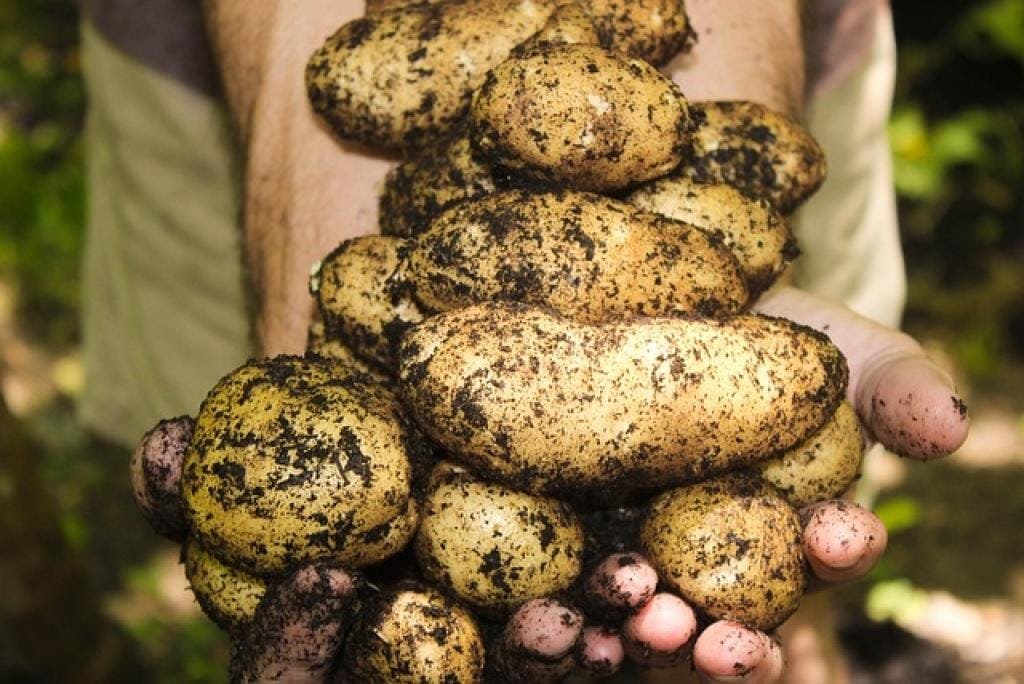
A bountiful harvest is the heart’s desire of every farmer, and within organic farming, a plethora of techniques are employed to turn this dream into reality. By maximizing yields, organic farmers ensure both abundance and sustainability, promising a fruitful relationship with the land.
Crop Rotation and Intercropping
Crop rotation and intercropping are powerful allies in the quest for high yields. By varying crops seasonally and planting complementary species together, these techniques balance nutrient demands and deter pests naturally. This diversity not only enhances soil health but also optimizes land use, leading to increased productivity.
Focusing on soil vitality is critical. Techniques such as using compost teas and organic amendments boost soil fertility, providing essential nutrients for robust plant growth. Healthy soil translates directly to thriving crops, underpinning a consistent and reliable yield.
Selecting Resilient Varieties
Choosing resilient crop varieties that are well-suited to local climates and conditions can significantly boost yields. These varieties are often more resistant to local pests and diseases, reducing losses and stabilizing production.
Precise timing and planning also play a vital role. By aligning planting schedules with seasonal patterns and weather forecasts, farmers can take advantage of optimal growing conditions, ensuring that each seed planted reaches its fullest potential.
In harmonizing these practices, organic farmers cultivate not just plants, but a sustainable future where yields and ecosystems flourish together.
Utilizing Tou Nong San to Improve Soil Health
In the practice of Tou Nong San, soil health is revered as the foundation from which all life springs. This approach nurtures the soil, treating it not as a mere growing medium, but as a living ecosystem rich with potential and vitality.
Nourishing the Soil with Organic Matter
Incorporating organic matter is a cornerstone of soil improvement. By adding compost, aged manure, and plant residues, farmers enrich the soil with nutrients, fostering an environment where beneficial microorganisms thrive. These organisms break down organic matter, releasing nutrients that plants can readily absorb, promoting robust growth.
Cover crops play an instrumental role in enhancing soil structure. These plants protect the soil from erosion, increase organic matter content, and fix atmospheric nitrogen—vital nutrients that prepare the soil for subsequent plantings.
Embracing Natural Cycles
By respecting natural cycles and seasonal rhythms, Tou Nong San cultivators promote a balanced ecosystem within the soil. Minimal tillage practices are employed to maintain soil structure and prevent disruption of beneficial organisms.
The interplay of these practices not only boosts soil fertility but also enhances water retention and resilience against climate extremes. As farmers nurture the soil with care and intention, they lay the groundwork for a thriving, sustainable cycle of growth and renewal. Through Tou Nong San, soil transforms into a vibrant powerhouse, ready to support generations of abundance.
Exploring Innovative Approaches in Organic Agriculture
Organic agriculture is fertile ground for innovation, weaving traditional wisdom with modern advancements to craft sustainable solutions. As stewards of the land, organic farmers are continuously exploring new techniques that enhance productivity and environmental health.
One promising approach lies in biodynamic farming, which considers the farm as a self-sustaining ecosystem. By creating on-site nutrient cycles and using preparations made from fermented herb and mineral mixtures, biodynamic farming strengthens the vitality of the soil and crops.
Agroforestry is another innovative technique gaining traction. By integrating trees and shrubs into crop and livestock systems, farmers enhance biodiversity and improve ecosystem services. This practice provides a diverse array of products while enhancing resilience to climatic fluctuations.
Advancements in digital technology also offer new horizons. Precision agriculture tools, such as drones and soil sensors, enable farmers to monitor crop health and soil conditions in real-time. Such technology fosters efficient resource management, ensuring that inputs are used judiciously to support organic principles.
Through these innovative approaches, organic agriculture not only adapts to meet modern challenges but thrives, creating a dynamic interplay between tradition and technology. Thus, it continues to offer viable pathways to nourish both people and the planet.
The Bottom Line: Achieving Success with Tou Nong San
Embracing the principles of Tou Nong San is like embarking on a journey where tradition and innovation walk hand in hand. The practices are not merely a recipe for organic farming; they are a holistic approach that respects and revitalizes our relationship with the earth.
Achieving success with Tou Nong San requires dedication and an open heart to learn from the land. By focusing on soil health and fostering a diverse ecosystem, farmers create environments where both crops and natural systems can thrive. These practices not only enhance yield and crop resilience but also contribute to a sustainable future for our planet.
Alongside this, Tou Nong San is about community and shared knowledge. It encourages collaboration among farmers, promoting techniques that are tailored to local environments and climates. In sharing experiences and wisdom, farmers build resilient networks that can adapt to challenges and seize opportunities presented by evolving climates and market demands.
In conclusion, the essence of Tou Nong San lies in its balanced approach—one that nurtures the land, supports the community, and champions environmental stewardship. As we look ahead, this model of organic farming stands as a beacon of hope, suggesting that sustainable agriculture is not only possible but can flourish amid global challenges.
Thus, whether you are a seasoned farmer or a budding enthusiast, adopting these practices offers more than just success in agriculture; it cultivates a deep and lasting harmony with the natural world. As you plant each seed with intention and care, may your efforts blossom into thriving ecosystems that nourish body, spirit, and the world around us.