

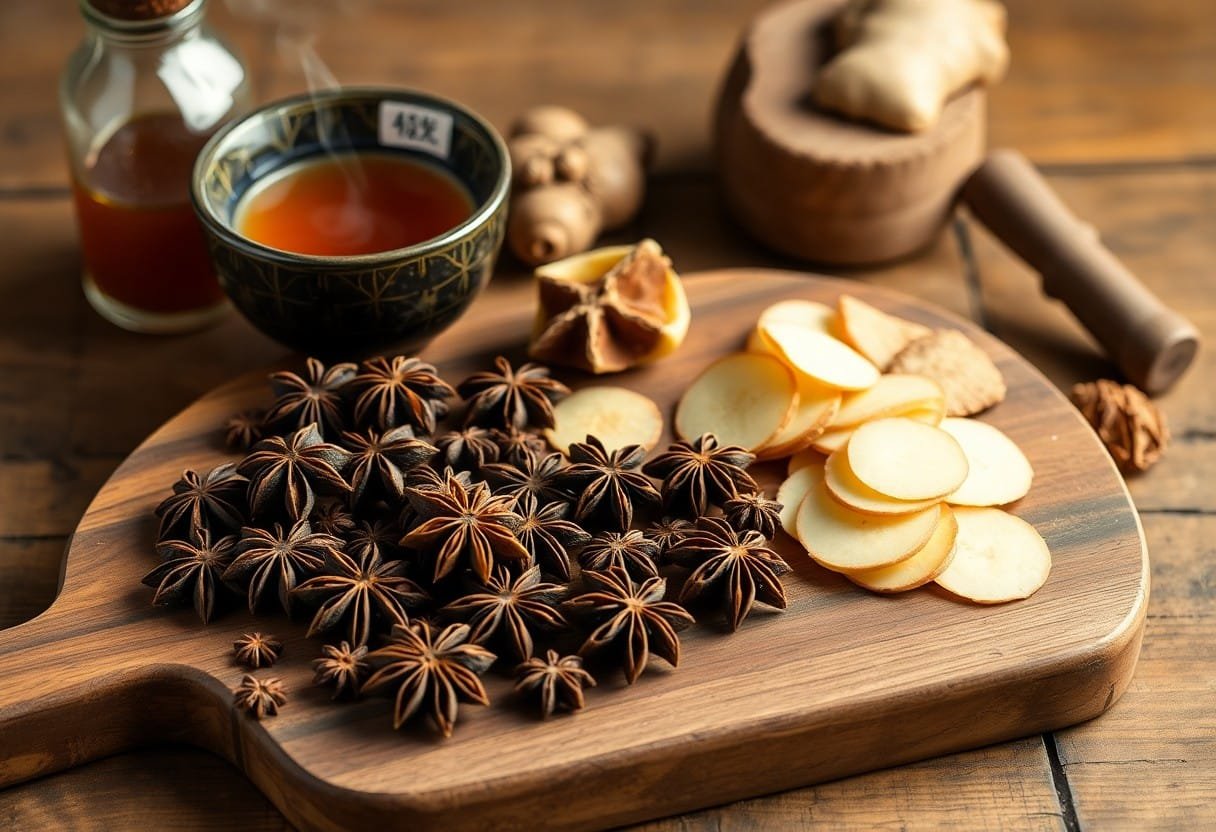
It’s a warming aromatic that helps you relieve digestive cold and pain; Ba Jiao Hui Xiang (star anise) supports digestion, but excessive use risks toxicity and allergic reactions, so you should use it cautiously.
Key Takeaways:
- Warming aromatic herb that disperses cold in the middle burner and relieves abdominal pain, bloating, belching, nausea, and hiccup.
- Indicated for digestive cold patterns such as epigastric/abdominal pain eased by warmth, cold-induced vomiting, poor appetite, and watery diarrhea; often used in combination with other warming herbs.
- Use in small doses within formulas; avoid with signs of internal heat (fever, thirst, constipation), exercise caution or avoid during pregnancy, and ensure supply is genuine Chinese star anise to prevent contamination with toxic varieties.
Botanical Profile and Traditional Identification
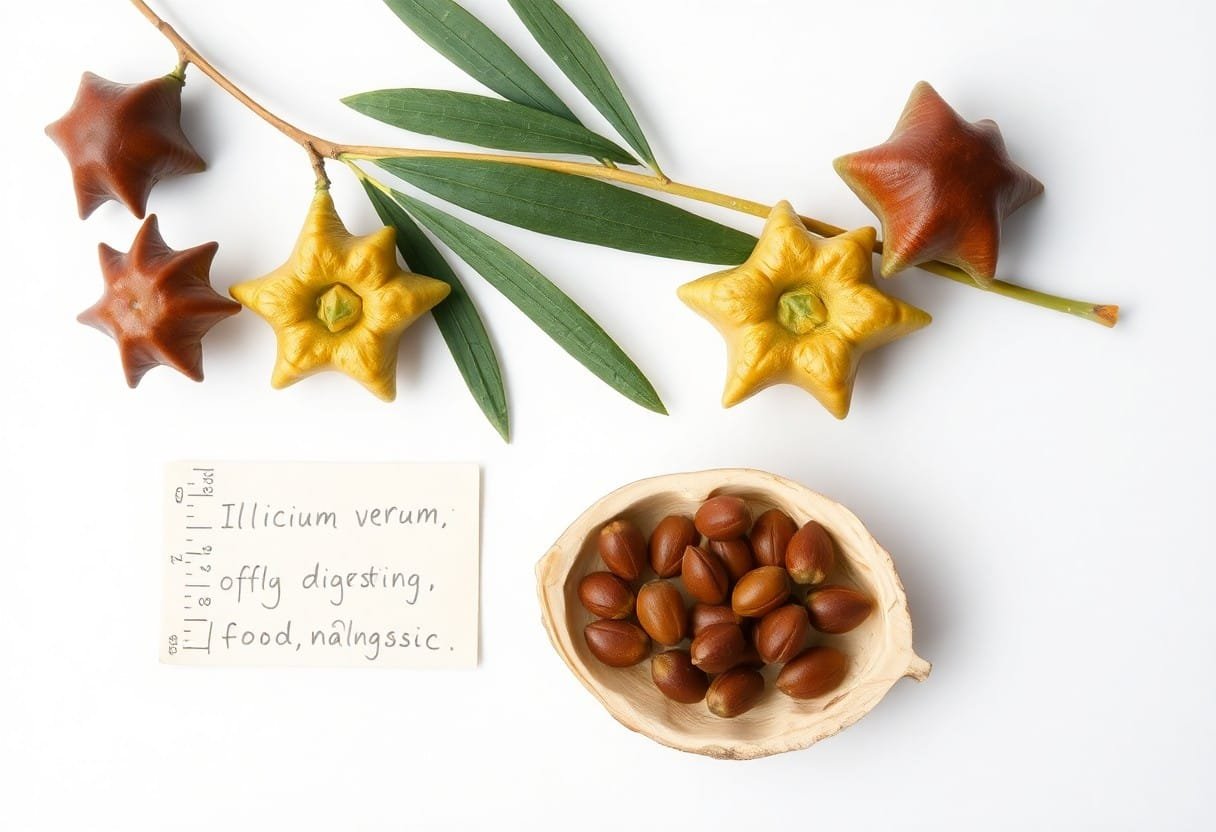
Illicium verum is an evergreen small tree whose dried fruit forms the familiar star-shaped pods used in cooking and medicine; you can spot 6-8 radiating carpels, glossy brown pericarps and a strong licorice scent. Seeds sit within each carpel and the plant yields an oil rich in trans-anethole, which gives its warming, aromatic properties.
Traditional Chinese materia medica identifies quality by pod symmetry, luster and scent; you assess authenticity by rubbing a pod to release the characteristic sweet aroma and by checking for full, undamaged carpels. Visual inspection for mold, off-odors or broken points helps ensure safety and potency.
Characteristics of Illicium verum
You will notice distinct star-shaped pericarps with 6-8 symmetrical points, thin brittle walls and a sweet licorice flavor; leaves are lanceolate and glossy. Chemical profile commonly shows high trans-anethole content, which correlates with the herb’s digestive warming action in traditional use.
Differentiating from Toxic Japanese Star Anise
Observe that Japanese star anise (Illicium anisatum) is toxic: pods are often irregular, fewer or misshapen carpels, thicker walls and a harsh camphor-like odor due to anisatin and other neurotoxic compounds. You must reject any material with bitter, medicinal or off-odors and never substitute it for edible star anise.
Always source from reputable suppliers who verify species identity and test for contamination, since mislabeling can lead to severe neurological symptoms in infants and sensitive individuals; laboratory chromatography distinguishes Illicium verum from toxic relatives.
TCM Energetics and Core Properties
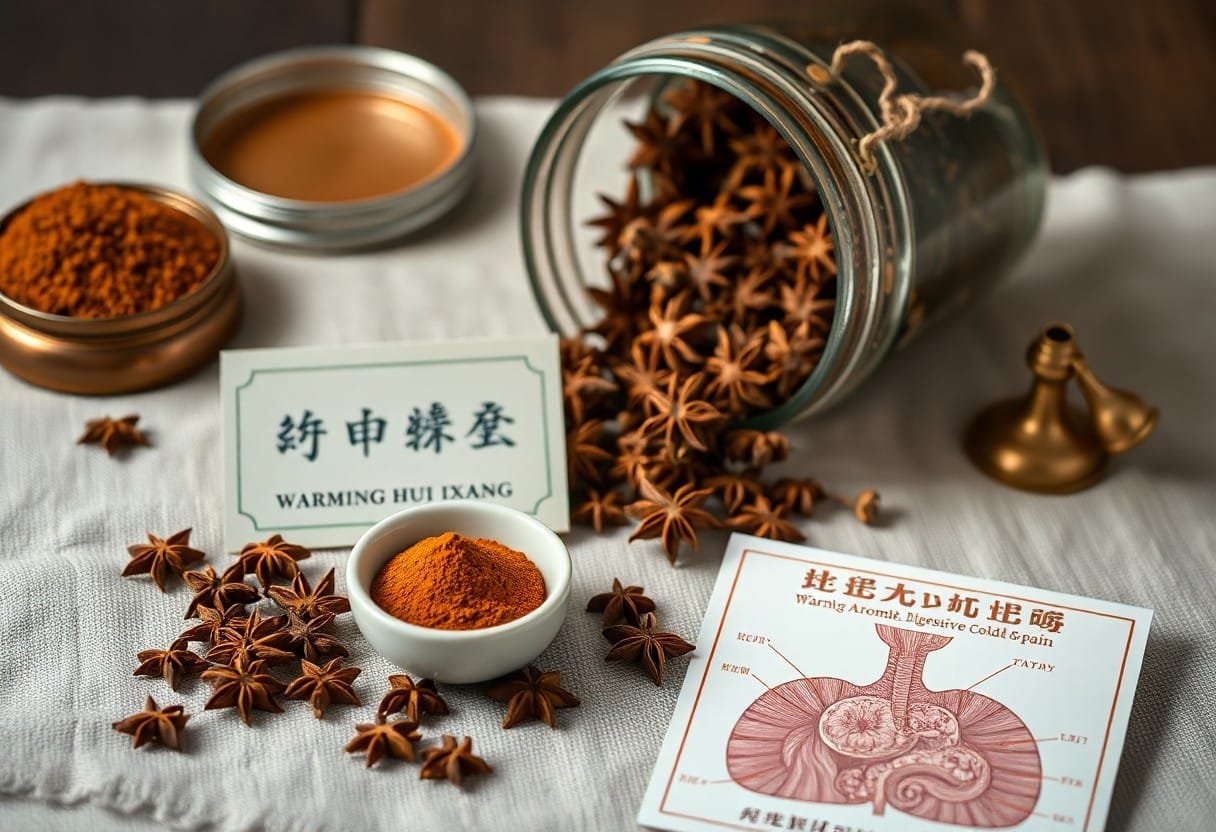
You encounter Ba Jiao Hui Xiang as a primarily warm, acrid, and aromatic herb that directs qi to the middle Jiao, often used when cold constricts the Spleen and Stomach and impairs digestion.
Traditionally you apply it for abdominal cold, postprandial bloating, and pain from cold obstruction; its aromatic nature helps restore digestive yang and move stagnant qi when you need a warming, mobilizing intervention.
Nature, Flavor, and Meridian Tropism
Aromatic notes mark its profile, and you will note the combination of acrid warmth that guides action inward toward the Spleen, Stomach, and Kidney meridians to rectify yang collapse in the middle Jiao.
Essential Actions: Warming the Middle and Expelling Cold
Warming the middle, you use Ba Jiao Hui Xiang to dispel interior cold, relieve cramping pain, and stop vomiting caused by cold invading the Stomach; the herb both moves qi and warms yang to ease symptoms.
Avoid sourcing errors and excessive dosing because you must guard against contamination by toxic species; for safety, you should ensure proper identification and use the herb within prescribed formulas rather than long-term, high-dose monotherapy.

Clinical Applications for Digestive Health
Clinically, ba jiao hui xiang warms the middle and disperses cold, so you can expect relief from colicky pain and poor appetite due to cold stagnation. Avoid use with yin-deficiency heat or during pregnancy and combine with digestive herbs when you need sustained effect.
Relieving Abdominal Pain and Distention
You will find star anise effective for cold-induced abdominal pain by promoting qi movement and reducing spasmodic discomfort; use warm preparations for best results. Excessive dosing can irritate the mucosa and worsen symptoms, so monitor response and adjust accordingly.
Harmonizing the Stomach and Resolving Nausea
Using ba jiao hui xiang in harmonizing formulas soothes the stomach and reduces nausea from cold stagnation, and you may pair it with ginger or licorice for smoother action; it is effective for cold-related nausea.
Careful dosing is necessary because you can aggravate heat signs if misapplied; stop treatment if fever, thirst, or rapid pulse appear. Clinical use typically favors low doses tailored to symptom pattern.
Management of Cold-Induced Pain
Ba Jiao Hui Xiang warms the middle and disperses cold so you can expect reduction in colicky abdominal pain, bloating, and cold-induced nausea. You should combine it with other warming, qi-moving herbs for best effect and use moderate doses to avoid overstimulation. Watch for contamination with toxic Illicium anisatum, which can produce severe neurotoxic reactions.
Therapeutic Use in Hernial Disorders (Shan Qi)
Clinical application in Shan Qi targets cold-contracted hernial pain by warming the channels and mobilizing stagnant qi, so you may see rapid relief in sharp, cold-aggravated groin or scrotal pain. You should avoid use when heat signs or inflammation predominate and always combine with appropriate tonics to support tissue.
Addressing Lower Back Pain and Kidney Yang Deficiency
When lower back cold and weakness indicate kidney yang deficiency, you can use Ba Jiao Hui Xiang to warm the lower burner and reduce pain that improves with external warmth; pair it with kidney-yang tonics for sustained benefit. You must avoid it in cases of yin-deficient heat or active infection.
Use Ba Jiao Hui Xiang within formulas under practitioner guidance, monitor for gastrointestinal upset, and prioritize sourcing to prevent toxic contamination; you should stop use if neurological symptoms or allergic reactions occur.
Modern Pharmacological Insights
Research into star anise shows you can expect anti-inflammatory, analgesic and digestive benefits driven by volatile oils and anethole. Clinical assays indicate anethole reduces smooth-muscle spasm and modulates gut motility, while oils exert mild antimicrobial effects. Pay attention to contamination risk with toxic Illicium anisatum (Japanese star anise), which can cause severe neurotoxicity, making source and purity mandatory when you use preparations.
Role of Anethole and Volatile Oils
Anethole is the dominant constituent and you derive warming, carminative action from it; it also contributes anti-inflammatory signaling in preclinical models. Smaller volatile fractions enhance aroma and stimulate gastric secretions, helping you relieve bloating and cold-type digestive discomfort.
Antispasmodic and Antimicrobial Properties
Studies report that you may experience reduced intestinal cramping because star anise compounds relax smooth muscle, offering an antispasmodic effect. Parallel antimicrobial assays show activity against select gut pathogens, suggesting combined symptomatic and microbe-targeted benefits when you apply appropriate formulations.
Evidence also warns you that potency varies by batch; therapeutic gains can be offset by adverse reactions in infants and by contaminated sources, so you should prefer standardized extracts and consult a professional before use.
Safety, Dosage, and Contraindications
Consult a qualified TCM practitioner before using ba jiao hui xiang medicinally; typical single doses run 3-9 g in decoction, with 3-6 g common for digestive cold patterns. You should avoid self-prescribing if you take prescription medications or have liver disease; verify botanical source because Illicium anisatum (Japanese star anise) is toxic and must not be used.
Dosage guidance favors short courses for acute conditions and advises against prolonged daily high doses to reduce risk of overstimulation or adverse effects. You must monitor for allergic reactions, gastrointestinal upset, or neurological signs and discontinue use if severe symptoms occur.
Standard Preparation and Administration
Prepare ba jiao hui xiang as a decoction by gently crushing 3-6 g of ripe fruit and boiling in water for 10-15 minutes; you can add it to multiherb formulas aimed at warming the middle burner. When you use powdered or encapsulated forms, follow professional dosing and confirm the product is Illicium verum to avoid contamination.
Cautions for Yin Deficiency and Heat Patterns
Avoid using warming aromatics like star anise if you display yin-deficiency with heat-night sweats, dry mouth, red tongue, or irritability-because the herb’s warming nature can exacerbate heat signs. If you have chronic insomnia, bleeding tendencies, or high fever, consult your practitioner before use.
You should favor cooling, yin-nourishing herbs when heat dominates; use ba jiao hui xiang only in balanced formulas under supervision, since continued use in dry-heat patterns will likely worsen symptoms rather than relieve them.
Conclusion
Summing up, Ba Jiao Hui Xiang (star anise) is a warming aromatic used in TCM to dispel cold from the digestive system and relieve pain; you should consider it when cold-type abdominal discomfort dominates. You can read clinical notes and cautions at Ba Jiao Hui Xiang (Star Anise) – TCM Herb – Me & Qi and consult a qualified practitioner before use.