

You will find Bai Qu Cai reduces bleeding and aids certain eye disorders through astringent and anti-inflammatory actions; consult a healthcare professional before use. See research and sourcing at Shepherd’s Purse – Golden Poppy Herbal Apothecary.
Key Takeaways:
- Bai Qu Cai (shepherd’s purse) functions as a hemostatic vegetable in traditional Chinese medicine, used to reduce bleeding from menstrual, postpartum, and minor wound sources.
- Phytochemicals such as flavonoids and tannins are believed to promote vasoconstriction and coagulation; limited clinical studies report benefit for heavy menstrual bleeding but further research is needed.
- Traditional applications include eye disorders like conjunctival bleeding and inflammation; potential interactions and contraindications (pregnancy, anticoagulant use) mean medical advice is recommended before use.
Botanical Profile and Identification
Capsella bursa-pastoris appears as a low-growing annual with a basal rosette and erect flowering stems; you can identify it by its distinctive heart- or triangular-shaped siliques that give the common name shepherd’s purse.
Leaves are typically oblong to obovate with toothed or pinnate lobes and a faint peppery scent when crushed, which you can use to help differentiate it from other small brassicas.
Morphological Characteristics of Capsella bursa-pastoris
Rosette leaves form the plant’s base while multiple slender stems rise to bear small, four-petaled white flowers; you will notice the racemes elongate as flowers set into pods.
Siliques are flattened and triangular to heart-shaped, containing several tiny flat seeds; you can rely on pod shape and seed arrangement as reliable diagnostic traits in the field.
Natural Habitat and Optimal Harvesting Periods
Habitats for shepherd’s purse include disturbed ground, field margins, gardens, and roadsides across temperate regions, where you can commonly find dense patches in nutrient-rich soils.
Seasonality favors spring and autumn growth, with flowering and early pod stages offering the best medicinal material; you should collect before full seed maturation to preserve active constituents.
Harvesting in the cool morning minimizes wilting, and you should avoid polluted sites, clean plant material of soil, and dry quickly in shade or use fresh preparations for topical hemostatic or ocular applications.
Nutritional and Phytochemical Composition
Shepherd’s Purse concentrates vitamins, minerals, and phytochemicals that underlie its traditional hemostatic and ocular uses; when you incorporate the leaves into meals or infusions you tap into a mix of antioxidants, astringents, and micronutrients.
Composition varies with plant age and soil, so you should expect higher vitamin C in young greens and greater tannin content in older plants; you can adjust harvest timing to favor particular compounds.
Essential Vitamins, Minerals, and Trace Elements
Leaves provide notable amounts of vitamin K and vitamin C alongside B-complex vitamins, and you can use fresh shoots to supplement dietary antioxidants and clotting cofactors.
Minerals such as calcium, iron, magnesium, and potassium occur in modest levels, and you may increase micronutrient intake through regular culinary use without relying on supplements.
Key Bioactive Compounds and Flavonoids
Flavonoids like quercetin and kaempferol appear in measurable amounts and contribute antioxidant and anti-inflammatory activity, so you can expect these compounds to show protective effects in laboratory studies.
Tannins, saponins, and glucosinolates complement flavonoids by providing astringent and potentially hemostatic effects, and you should be mindful of dose when using concentrated extracts.
Extraction method influences which constituents you access, so you may prefer gentle water infusions for culinary use while tinctures concentrate phenolics and require more cautious dosing.

Hemostatic Properties and Clinical Applications
Clinical reports suggest you can use shepherd’s purse as an adjunct hemostatic agent for minor bleeding and certain ocular surface hemorrhages, with topical applications and oral extracts reducing bleeding time in small studies.
Traditional use informs you to combine preparations with standard care for capillary and mucosal bleeding, while clinicians recommend monitoring for interactions and verifying extract standardization before routine use.
Mechanisms for Controlling Internal and External Bleeding
Vasoconstriction and enhanced platelet aggregation appear to result from specific alkaloids and flavonoids in the herb, so you may observe quicker clot formation when applied topically or administered appropriately.
Management of Menstrual and Postpartum Hemorrhage
Controlled clinical series report you can reduce menstrual blood loss and lessen postpartum bleeding when shepherd’s purse extracts are used alongside uterotonics under medical supervision and with careful hemodynamic monitoring.
Dosage varies by preparation and severity, so you should follow validated regimens, monitor vital signs and hemoglobin, and avoid self-treatment in cases of heavy or uncontrolled hemorrhage.

Therapeutic Benefits for Eye Disorders
You can consider Bai Qu Cai for hemostatic support in minor ocular bleeding and inflammatory irritation; traditional reports and preliminary studies indicate it can constrict capillaries and reduce bleeding, so review safety details at Shepherd’S Purse – Uses, Side Effects, and More before use.
Addressing Ocular Inflammation and Conjunctivitis
Bai Qu Cai preparations applied as clinician-formulated compresses or dilute washes may lessen conjunctival redness and swelling, but you should avoid raw plant contact and seek medical assessment for persistent or severe conjunctivitis.
Traditional Remedies for Improving Visual Clarity
Herbal practitioners historically recommend mild infusions to ease visual fatigue and reduce haze, and you should consider these remedies only as adjuncts while monitoring for irritation.
Traditional applications prioritize weak, cooled washes and brief use to avoid irritation, and you should consult an eye care professional to confirm appropriateness and rule out allergic or infectious causes.
Culinary Uses and Preparation Methods
Culinary preparations favor young Bai Qu Cai leaves: you can toss them into salads, stir-fries, dumpling fillings or soups for a peppery, slightly bitter note that mellows with heat. Consult practical recipes and traditional pairing suggestions at Shepherd’s Purse: Nature’s Heart Shaped Helper to match flavor with therapeutic intent.
Integration into Traditional Medicinal Cuisine
Traditional recipes incorporate small amounts of shepherd’s purse into broths, congee, or egg dishes so you can receive hemostatic benefits without strong taste; you should combine it with mild greens or grains to keep meals balanced. Dosing in food is conservative and often guided by an experienced practitioner.
Preparation of Infusions and Topical Compresses
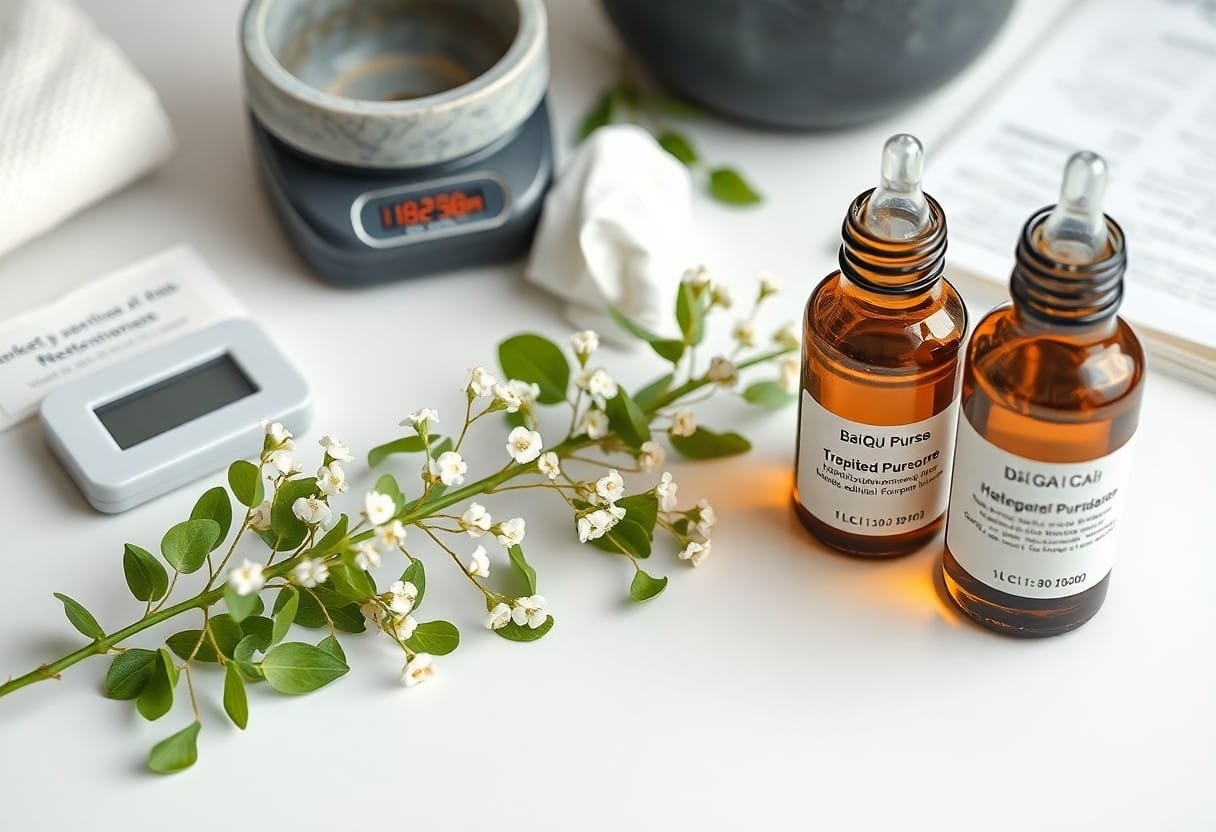
Infusions use about one teaspoon of dried leaves per cup of hot water steeped 10-15 minutes; you can sip one to three cups daily if advised by a herbalist. For compresses, steep a stronger batch and cool before application.
Topical applications call for fresh leaves mashed into a paste or wrapped in gauze so you can apply gentle pressure to minor cuts or as short eye-area poultices, watching for irritation and seeking medical care for serious bleeding or ocular issues.
Safety, Contraindications, and Dosage
You must use Bai Qu Cai cautiously: avoid self-treating severe hemorrhage and seek emergency care for heavy bleeding. People with clotting disorders or those on anticoagulant or antiplatelet medications should not use it without medical supervision.
If you consider dosing, traditional internal ranges are modest-commonly 2-4 g dried herb as an infusion or low-dose tincture taken two to three times daily-but always confirm amounts with a qualified herbalist or clinician.
Recommended Guidelines for Safe Consumption
Begin with small amounts and short courses while monitoring for increased bleeding, digestive upset, or allergic reactions; stop use if symptoms worsen. You should disclose herbal use to your healthcare provider and avoid self-treatment for serious eye or systemic bleeding issues.
Potential Side Effects and Drug Interactions
Avoid combining Shepherd’s purse with warfarin, direct oral anticoagulants, antiplatelet drugs, NSAIDs, or other herbs that alter clotting, since you may change bleeding risk or drug effectiveness.
Consult your clinician promptly if you notice easy bruising, prolonged bleeding, dizziness, or vision changes; contaminated or improperly prepared eye applications can cause infection, so seek urgent care for severe or worsening symptoms.
Conclusion
On the whole, you can consider Bai Qu Cai (shepherd’s purse) a traditional hemostatic vegetable that may help control bleeding and support certain eye complaints, though high‑quality clinical evidence is limited. You should consult a healthcare professional before internal or topical use, avoid it during pregnancy, and monitor for interactions or adverse effects.