

With its bitter, cooling properties and strong anti-inflammatory action, Bai Jiang Cao (Patrinia) helps clear intestinal and gynecological abscesses; you should consider its traditional uses, contraindications, and proper dosing under professional guidance.
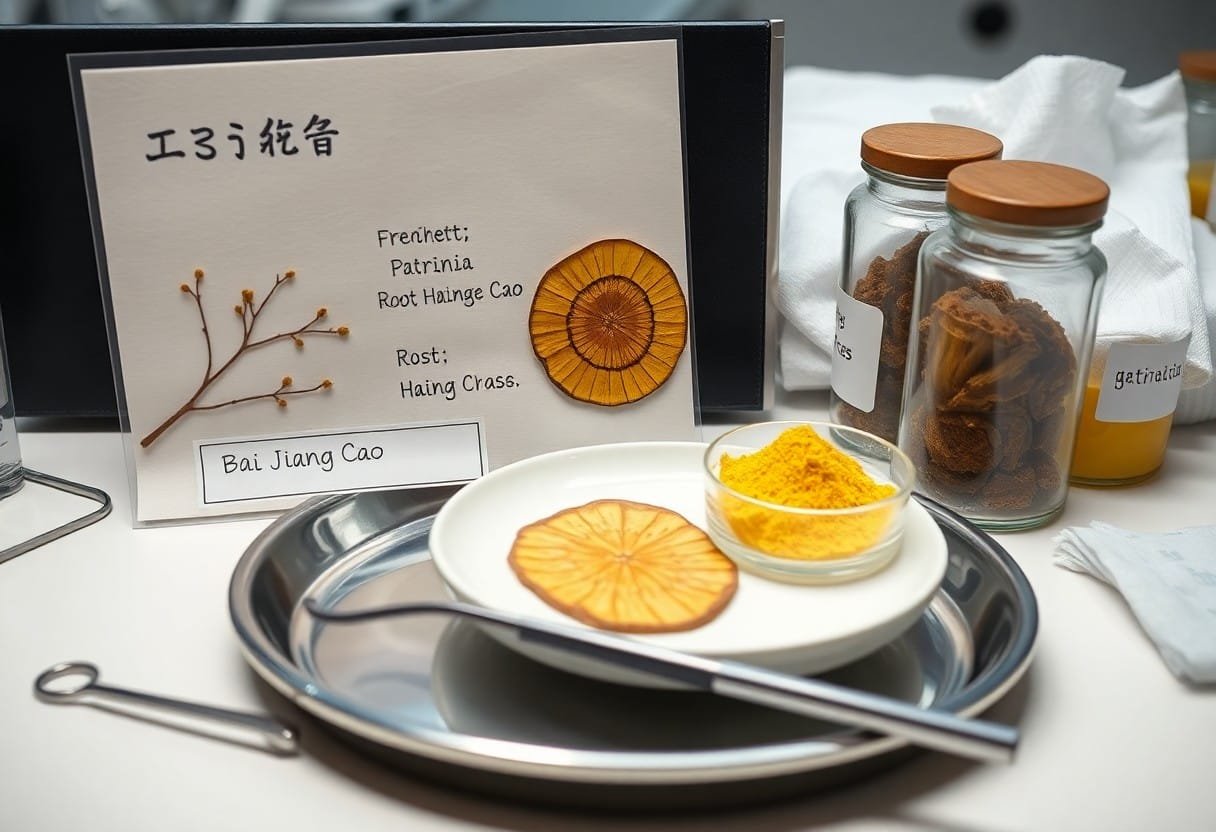
Key Takeaways:
- Bai Jiang Cao (Patrinia) is a heat‑clearing, detoxifying herb traditionally used for intestinal and gynecological abscesses, presenting with redness, swelling, pain, and pus discharge.
- Patrinia promotes pus discharge and reduces swelling by clearing heat and resolving toxicity; it is commonly combined with blood‑moving herbs in formulas for abdominal and pelvic abscesses.
- Use is contraindicated in pregnancy and in cases of severe spleen‑stomach deficiency; prolonged use can cause gastrointestinal discomfort, so follow practitioner dosage and duration recommendations.
Botanical Profile and Identification
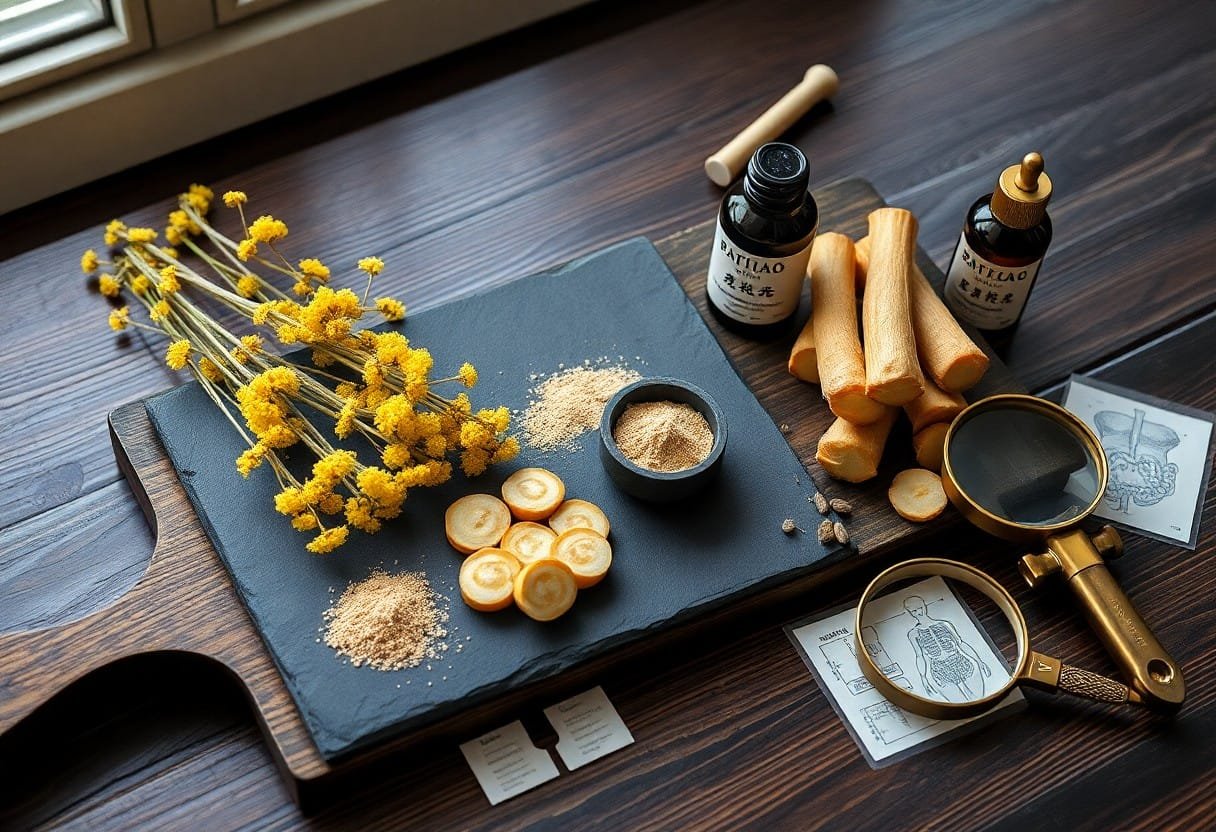
You can identify Bai Jiang Cao by erect, hollow stems, panicled clusters of yellowish flowers and a pungent scent; consult Bai Jiang Cao (Patrinia Whole Plant, 败酱草) extract … for reference on whole‑plant material and extract profiles when verifying supply quality.
Leaves are pinnate with serrated leaflets and you will notice a stout, fibrous taproot used in decoctions; the plant commonly grows 30-90 cm tall in meadows and shaded margins where you can collect consistent material.
Distinguishing Patrinia villosa and Patrinia scabiosaefolia
Flowers differ between species: P. villosa bears smaller, more open florets while P. scabiosaefolia shows denser heads and broader bracts, so you can use flower size, bract shape and hairiness as quick field markers.
Standard Harvesting and Processing Methods
Harvest aerial parts after flowering when you see peak aroma and resin levels; cut stems, remove soil and damaged tissue, and sort material to ensure uniform batches for drying.
Drying should be rapid but shaded to preserve volatile compounds, and you should store cured material in breathable containers, away from heat and moisture to prevent mold and loss of efficacy.
Bai Jiang Cao (Patrinia) – Heat-Clearing Herb for Intestinal and Gynecological Abscesses
Bai Jiang Cao clears heat and resolves toxicity while draining pus and dispersing focal accumulations, so you apply it for intestinal and gynecological abscesses with damp-heat and blood stasis. Its action directs pathogenic heat outward and down, helping you reduce swelling, soften hard masses, and promote pus discharge in the lower jiao.
Practitioners often combine it with heat-clearing and blood-invigorating herbs so you can address both infection and stasis; concurrent herbs that drain dampness improve outcomes. You should use caution in cases of cold from deficiency and adjust dosage when treating frail patients or during pregnancy.
Flavor, Nature, and Meridian Tropism
Taste is bitter and acrid with a slightly cold nature, which you rely on to clear heat and guide action toward the lower burner. Meridian tropism centers on the liver and large intestine channels, making it well suited when you target abdominal or pelvic abscesses caused by constrained heat and dampness.
Mechanisms of Clearing Heat and Resolving Toxicity
Its pharmacology includes anti-inflammatory and antibacterial effects that you can correlate with traditional heat-clearing actions, supporting pus resolution and reduction of local infection. You will also note its ability to move blood and break up stagnation, which assists in dispersing masses and preventing chronicity.
You apply Bai Jiang Cao both internally as a decoction and externally as a wash in localized abscesses, and you tailor combinations to pattern-pairing with draining herbs for damp-heat or with stronger blood movers when stasis predominates.
Clinical Application in Intestinal Abscesses
Clinical experience indicates you can employ Bai Jiang Cao (Patrinia) for intestinal abscesses characterized by damp-heat, localized pain, rebound tenderness and purulent discharge; you typically combine it with herbs that move qi and resolve toxicity to promote drainage and prevent adhesion while monitoring systemic signs closely.
Management of Acute Appendicitis and Peritonitis
Appendicitis with early, localized inflammation may respond to Patrinia-containing formulas to clear heat and assist pus discharge, but you must monitor for worsening pain, high fever, or guarding and refer for surgical intervention or antibiotics when peritonitis or systemic toxicity appears.
Actions in Expelling Pus and Reducing Internal Swelling
Patrinia targets intestinal damp-heat to soften hardness and facilitate pus expulsion; you will often see reduced swelling and improved local circulation when it is used with drainage-promoting and blood-invigorating herbs, and topical or enema applications can direct its effect to the lesion.
You can combine Patrinia with heat-clearing herbs such as honeysuckle and dandelion in short courses to enhance pus liquefaction and drainage while avoiding prolonged, high-dose use that could injure yin; you should tailor dosing to severity and coordinate with biomedical care as needed.
Gynecological and Pelvic Health
Bai Jiang Cao (Patrinia) clears heat and resolves toxicity in the lower abdomen, helping you address gynecological abscesses by reducing swelling, pain, and purulent discharge when incorporated into proper formulas under practitioner supervision.
Herbal combinations with forsythia, pu gong ying, and dandelion enhance drainage and antimicrobial effects, and you should watch for gastrointestinal sensitivity while a clinician tailors dose and duration to your condition.
Treatment of Pelvic Inflammatory Disease (PID)
You may include bai jiang cao in PID formulas to clear lower-jiao heat, reduce inflammatory masses, and lessen adhesion-related pain, but clinical assessment is necessary to combine it with blood-moving and anti-inflammatory herbs safely.
Addressing Postpartum Stasis and Abdominal Pain
After childbirth, bai jiang cao assists in resolving postpartum stasis and persistent abdominal tenderness by clearing retained heat and promoting discharge of stagnant lochia while you use blood-invigorating herbs to restore circulation.
Combining topical poultices or short courses of decoction with internal formulas can localize effects on uterine tenderness, yet you must avoid prolonged high doses during lactation and follow practitioner guidance for safe postpartum care.
Dermatological and External Uses
Dermatological uses of Bai Jiang Cao emphasize external heat-clearing and toxin-resolving actions for abscesses and ulcerative skin issues; you can consult clinical summaries such as The Herba Patriniae (Caprifoliaceae): A review on traditional … for pharmacology and safety notes.
Healing Toxic Sores, Carbuncles, and Skin Lesions
You often apply Patrinia to promote pus discharge, reduce local swelling and erythema, and calm inflammation in toxic sores and carbuncles, while watching for allergic reactions and escalating care if systemic signs appear.
Topical Preparations and Poultice Applications
Topical options include warm decocted compresses, powdered-root pastes, and oil-based extracts that you can place on lesions to support drainage and reduce heat signs under clean conditions.
Apply poultices for limited sessions, change dressings frequently, and monitor for increased pain, spreading redness, or fever; seek professional care promptly if you notice worsening or systemic symptoms.
Modern Pharmacological Research
Recent analyses show you that Patrinia extracts exhibit antibacterial, anti-inflammatory, hepatoprotective, and sedative activities that align with traditional use for intestinal and gynecological abscesses.
Animal and in vitro studies help you understand mechanisms such as cytokine suppression and microbial growth inhibition, while clinical data remain limited and require further validation.
Antibacterial and Anti-inflammatory Properties
Laboratory assays show you that ethanol and aqueous extracts inhibit common abscess-associated bacteria and reduce proinflammatory mediators like TNF-alpha and IL-6 in cell models, with MICs and efficacy dependent on extraction method.
Hepatoprotective and Sedative Effects
Preclinical models show you reduced ALT and AST levels and improved liver histology after Patrinia treatment, accompanied by increased antioxidant enzymes such as SOD and glutathione.
Extracts also produce sedative and anxiolytic effects in rodent behavioral tests, so you should consider possible CNS depression when patients use concurrent sedatives and recommend monitoring.
Mechanistic studies indicate to you that modulation of GABAergic signaling and attenuation of oxidative stress underpins these effects; dosing varies across studies, and you must monitor for herb-drug interactions and liver enzyme changes in clinical use.
Final Words
Conclusively Bai Jiang Cao (Patrinia) delivers heat-clearing and detoxifying effects that can assist resolution of intestinal and gynecological abscesses, supported by antimicrobial and anti-inflammatory evidence; you should use it within practitioner-guided TCM formulas rather than as a sole therapy. Monitor for contraindications, pregnancy warnings, and potential herb-drug interactions by consulting a qualified clinician.