

Many studies show Bai Hua She She Cao (Oldenlandia) offers anticancer, heat-toxin clearing, and abscess-resolving effects that you can consider alongside conventional care, while you consult professionals for dosing and safety.
Key Takeaways:
- Bai Hua She She Cao (Oldenlandia diffusa) clears heat-toxin and resolves abscesses in traditional Chinese medicine; common uses include infections, boils, intestinal abscesses, and inflammatory swellings.
- Preclinical and early clinical research reports anticancer effects – cytotoxicity, apoptosis induction, anti-angiogenesis, and immune modulation – with activity against liver, colorectal, lung, and other cancer cell lines; clinical evidence remains limited and preliminary.
- Safety profile is generally acceptable for short-term use but can cause gastrointestinal upset and may affect liver or kidney function at high doses; contraindicated in pregnancy and may interact with chemotherapy or anticoagulants, so seek professional guidance.
Botanical Profile and TCM Energetics
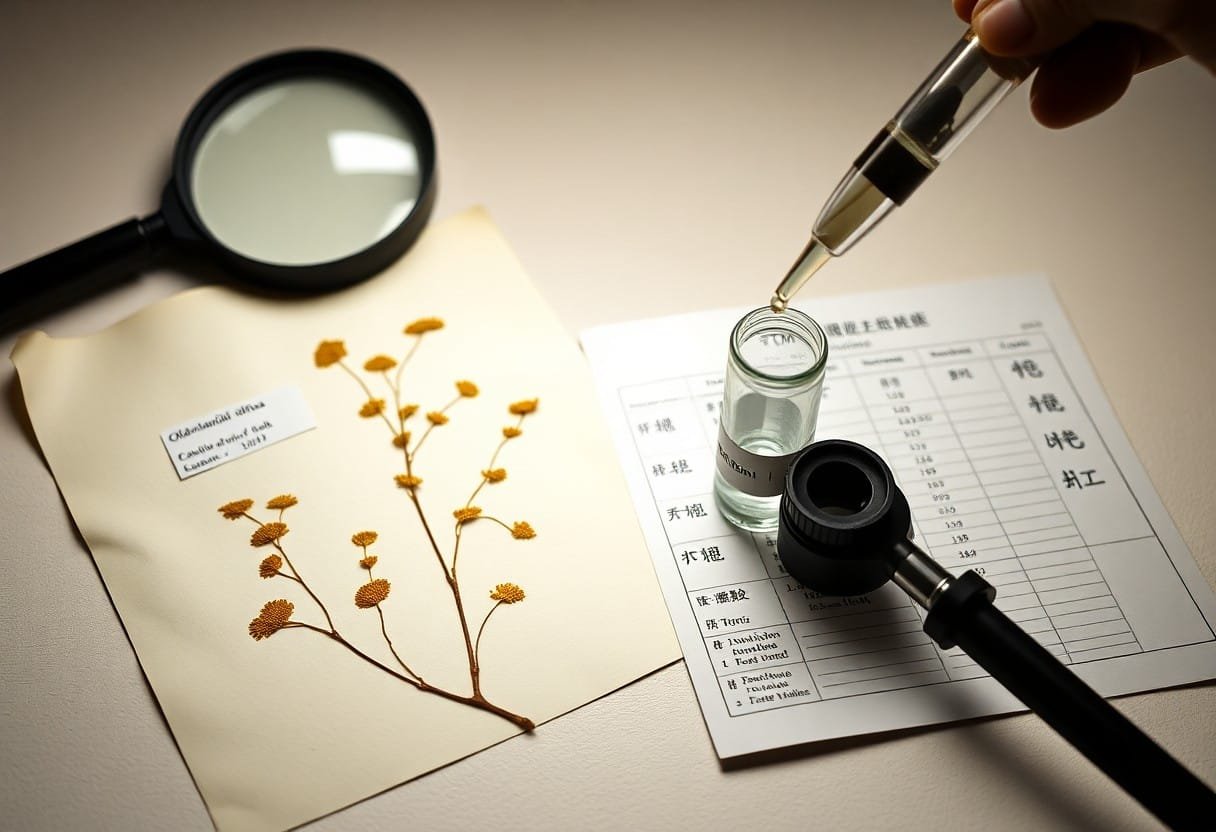
Oldenlandia diffusa is a low, mat-forming perennial in the Rubiaceae, common in damp fields and disturbed ground; you will spot its small white tubular flowers and opposite lanceolate leaves, often harvested whole for decoctions.
TCM regards Bai Hua She She Cao as cold and bitter, entering the Heart, Liver, and Stomach channels; you use it to clear heat-toxins, reduce swellings, and promote diuresis in damp-heat patterns and abscesses.
Identification and Characteristics of Oldenlandia diffusa
Leaves are opposite, smooth-edged and typically lance-shaped; you can identify fresh material by its soft texture and the characteristic axillary clusters of tiny flowers that give the plant its common name.
Stems grow prostrate or ascending, rooting at nodes and forming dense mats; you should note the whole herb’s olfactory and macroscopic traits when sourcing to ensure botanical authenticity.
Clearing Heat and Resolving Fire-Toxins
Herbologically, Oldenlandia is prized for clearing heat and resolving fire-toxins-used clinically for skin abscesses, intestinal carbuncles, and as a modern adjunctive anticancer agent; you will find it in formulas to drain pus and reduce inflammation.
Laboratory research attributes antimicrobial, anti-inflammatory, and pro-apoptotic activities to extracts and isolated constituents, supporting how you might integrate the herb cautiously alongside conventional therapies for infections or tumor-associated inflammation.
Clinical Application in Abscesses and Inflammatory Disorders
Clinical observations show you that Bai Hua She She Cao accelerates resolution of heat-toxin abscesses by reducing local inflammation and promoting pus discharge; you should integrate it with drainage and antimicrobial therapy for deep or systemically infected lesions.
Treatment of Internal and External Abscesses
You may use Oldenlandia internally as a strong decoction for visceral abscesses and externally as compresses or washes for skin swellings, helping you shorten the course of suppuration and relieve associated fever and pain.
Diuretic Action and Damp-Heat Elimination
Use Bai Hua She She Cao to promote urination and expel damp-heat when you encounter edema, scanty dark urine, or urinary discomfort linked to heat-toxin, often combining it with other diuretics for synergistic effect.
Herbal combinations commonly pair Oldenlandia with Fu Ling, Ze Xie, or Hua Shi to strengthen damp-draining action; you should tailor doses to constitution and monitor fluid and renal status during extended use.
Modern Pharmacological Mechanisms in Oncology
Clinical and preclinical studies show you how Oldenlandia extracts modulate multiple oncogenic pathways, reducing proliferation and inflammatory signaling linked to heat-toxin and abscess pathology.
Mechanistic data indicate you should view its constituents as multitarget agents that influence programmed cell death, angiogenesis, and tumor-associated immune responses relevant to abscess-driven malignancy.
Induction of Apoptosis and Cell Cycle Arrest
Studies report you may find Oldenlandia-derived iridoids and flavonoids activate caspases, elevate apoptotic markers, and induce G0/G1 or G2/M cell cycle arrest in various cancer cell lines.
Inhibition of Tumor Angiogenesis and Metastasis
Experimental evidence shows you that extracts suppress VEGF expression, inhibit endothelial tube formation, and lower matrix metalloproteinase activity, thereby constraining neovascularization and invasiveness.
Evidence from animal models indicates you can expect reduced microvessel density and fewer metastatic nodules after treatment, supporting a tangible anti-metastatic effect in heat-toxin associated tumors.
Phytochemical Composition and Active Compounds
Phytochemical analysis of Bai Hua She She Cao shows iridoid glycosides, flavonoids, triterpenoids, polysaccharides and organic acids; you can review a product reference at Bai Hua She She Cao – 白花蛇舌草 – Hedyotis for constituent summaries.
You will note that these compounds collectively account for the herb’s anti-inflammatory, antimicrobial and cytotoxic profiles, aligning traditional heat-toxin and abscess applications with contemporary anticancer findings.
Iridoid Glycosides and Flavonoids
Iridoid glycosides such as asperuloside and aucubin, alongside flavonoids like rutin and quercetin derivatives, display antioxidant activity and apoptosis modulation, so you can expect them to contribute substantially to antiproliferative effects observed in cell studies.
Triterpenoids and Organic Acids
Triterpenoids isolated from Hedyotis demonstrate membrane interaction and pro-apoptotic actions, and you should consider their reported inhibition of migration and enhancement of chemotherapeutic sensitivity when evaluating antitumor potential.
More studies show triterpenoids influence mitochondrial pathways and caspase cascades, while organic acids such as chlorogenic acid offer anti-inflammatory and anti-angiogenic support that you can factor into synergy assessments.
Synergistic Combinations in Herbal Medicine
Bai Hua She She Cao enhances other heat-clearing herbs when you use it for abscesses or oncologic support, with complementary anti-inflammatory and immunomodulatory actions. You should monitor dosing and duration to avoid herb-herb interactions while aiming for synergistic pathways.
Pairing Bai with aromatic drainers or blood-moving herbs can focus its activity on local masses and toxin clearance; you should look for formulas that balance cold-clear and qi-moving properties to support patient tolerance.
Integration with Ban Zhi Lian (Scutellaria barbata)
When you combine Bai Hua with Ban Zhi Lian, their overlapping anticancer and anti-inflammatory constituents may produce additive cytotoxic effects; you should follow evidence-based formulas and check for liver enzyme changes during therapy.
Supporting Conventional Cancer Therapies
Combining Bai Hua with chemotherapy or radiotherapy can help mitigate tumor-related heat-toxin symptoms and may enhance tumor cell apoptosis in preclinical studies; you should coordinate with oncologists to time herb use and avoid altered drug metabolism.
Clinical monitoring should include liver and immune panels, documented symptom changes, and clear stop criteria; you should document concurrent medications and adjust herbal components if adverse events or lab shifts appear.
Dosage, Administration, and Safety Guidelines
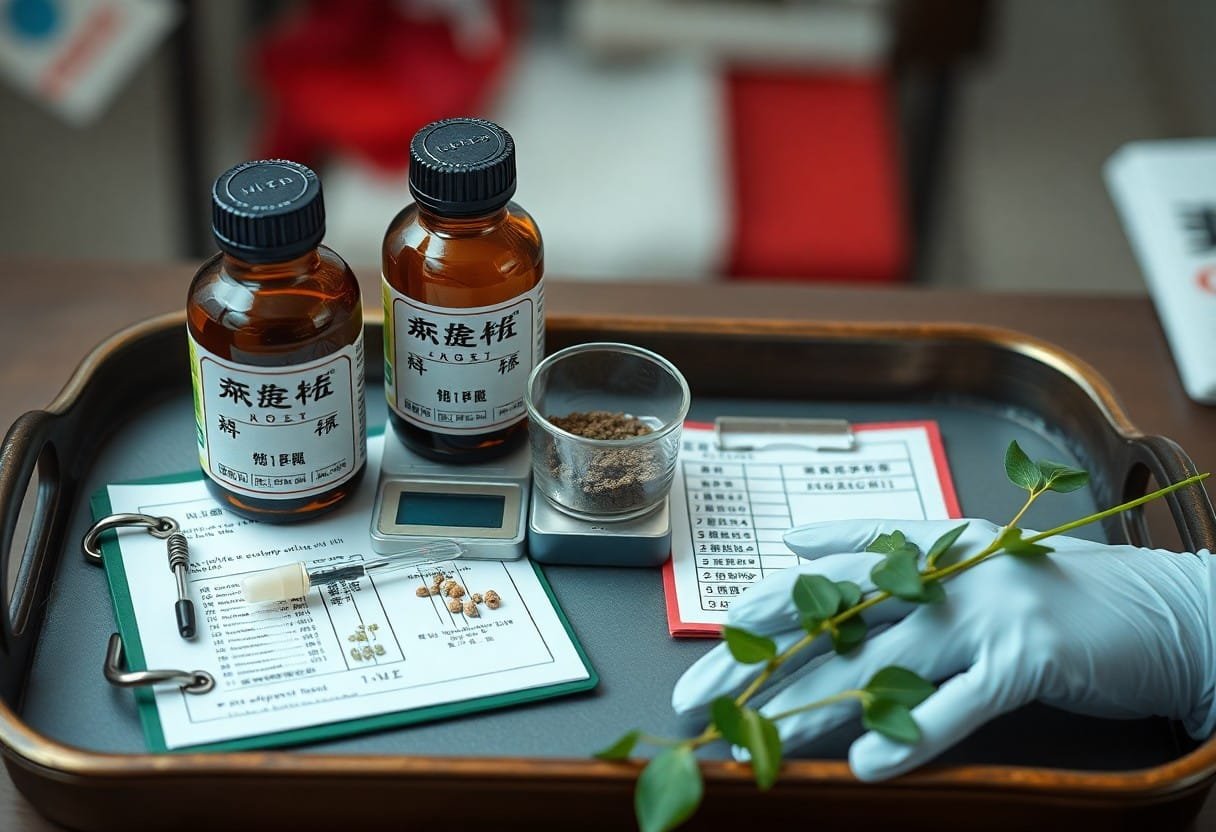
You should follow traditional dosing of 9-30 g dried herb daily or standardized tincture equivalents, adjusting with a qualified practitioner; you can also consider a standardized product such as Oldenlandia Herbal Tincture | Potent Natural Health Aid for consistent dosing.
Use oral administration with food to reduce gastrointestinal upset; follow the tincture label or decoction instructions, limit unsupervised use to short courses, and monitor for adverse effects or interactions, stopping use if you experience severe reactions.
Standard Preparation and Decoction Methods
Measure 9-30 g of dried herb per day; to decoct, simmer 10-15 g in 500-800 ml water until reduced by half, strain, and take the warm infusion two to three times daily so you maintain steady levels.
Contraindications and Precautions
Avoid use during pregnancy and breastfeeding unless a specialist advises otherwise, and refrain from combining Oldenlandia with immunosuppressants or chemotherapy agents without clinical oversight because interactions are possible.
Consult a licensed herbalist or physician if you have autoimmune disorders, liver disease, bleeding disorders, or are taking anticoagulants; you may require lab monitoring and dose adjustments to ensure safety.
Summing up
Now you should view Bai Hua She She Cao (Oldenlandia) as a traditional heat-toxin and abscess remedy that modern studies support for anti-tumor, anti-inflammatory, and immune-modulating effects; you should consider it as an adjunctive option in integrative oncology under clinician supervision, with attention to dosing, interactions, and high-quality sourcing.