

With centuries of traditional use, you can apply Bai Cao Shuang (pot soot ash) as a topical hemostatic powder for superficial bleeding and as a folk remedy for digestive discomfort; consult a qualified practitioner before use.
Key Takeaways:
- Bai Cao Shuang (pot soot ash) is a traditional hemostatic powder applied topically for wound bleeding and included in remedies aimed at bleeding and digestive complaints.
- Limited modern clinical evidence supports its effectiveness; proposed mechanisms include astringent and coagulant properties of ash, but studies are sparse and unstandardized.
- Contamination and heavy-metal content are safety concerns; unregulated ash can be harmful if ingested or inhaled, and severe bleeding requires immediate medical care.
Traditional Origins and Preparation
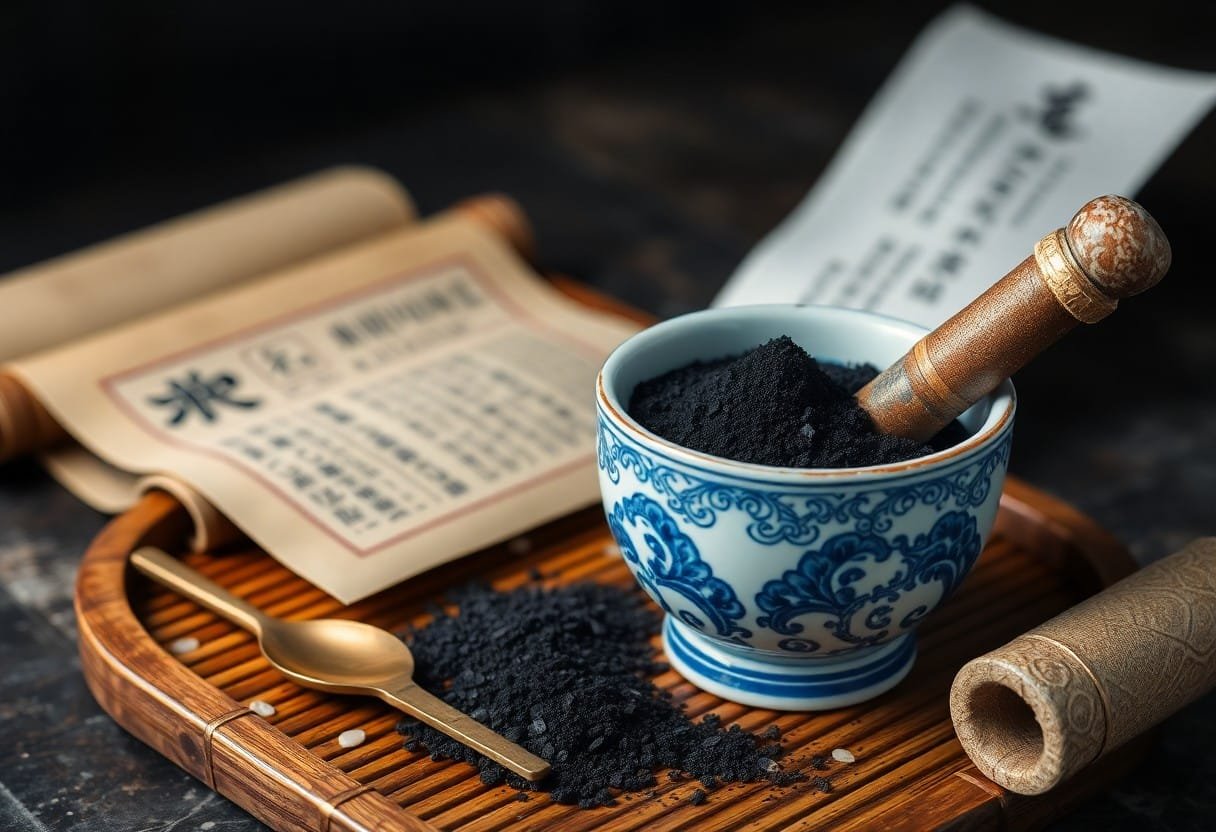
Here you learn that Bai Cao Shuang emerged in household settings where pot soot was valued for its astringent and absorptive properties; you trace recipes through oral transmission linked to seasonal cooking and local herbal use.
Ancient practitioners showed you methods blending soot from burned medicinal plants with selected ash, and you observe rites that signaled proper handling, safety, and basic quality checks during preparation.
Source Material and Collection Methods
Collectors select ash from iron or clay pots used over wood fires, and you inspect color, texture, and the absence of food residue to judge suitability.
Ritual timing and container choice often teach you which batches are acceptable, and you avoid ash contaminated by oils, tar, or chemical smoke that would reduce effectiveness.
Processing and Purification Techniques
Artisans guide you through repeated sieving, washing to remove soluble salts, and gentle drying to stabilize particle size; you follow these steps to minimize irritants and improve hemostatic action.
During purification you monitor simple indicators like pH and odor, apply brief heating to remove volatile organics, and keep batch records so you can correlate preparation variables with therapeutic results.
Pharmacological Properties in Traditional Chinese Medicine
Clinicians describe Bai Cao Shuang as a drying, astringent substance that you apply to arrest bleeding and reduce local dampness; its powdered form adheres to tissue, promoting clot formation while moderating mucosal irritation in gastrointestinal cases.
Herbal formulations you use with Bai Cao Shuang often pair it with cooling or harmonizing herbs to balance its astringency, aiming to stop hemorrhage without overconstricting qi flow or impairing digestion.
Hemostatic and Astringent Functions
You will find Bai Cao Shuang effective for external and internal bleeding by virtue of its strong astringent action, which contracts tissue, seals damaged vessels, and helps form protective scabs or clots when applied topically or taken in measured internal preparations.
Blood Cooling and Detoxifying Actions
Cooling properties in TCM terms describe how Bai Cao Shuang clears heat from the blood, so you might use it when bleeding accompanies inflammatory signs or febrile conditions to reduce redness, swelling, and local toxin accumulation.
Studies indicate that you should combine Bai Cao Shuang with blood-cooling herbs for heat-driven bleeding; clinical experience suggests this pairing mitigates irritation and supports mucosal healing while you monitor for dryness or excessive astringency.
Clinical Applications for Internal and External Bleeding
When you encounter GI or external hemorrhage, Bai Cao Shuang can be applied topically or endoscopically to arrest bleeding; see Hemostatic Powder Proves Good Option for GI Bleeding for related outcomes and pragmatic use cases.
Management of Hematemesis and Epistaxis
You can deliver the powder endoscopically for hematemesis to coat lesions and promote clot formation, and you may pack the nasal cavity for epistaxis to achieve rapid surface hemostasis while planning definitive care.
Treatment of Traumatic Injury and Uterine Bleeding
For traumatic wounds and postpartum uterine bleeding, you may apply Bai Cao Shuang directly to bleeding surfaces or include it in packing to encourage clotting and temporize hemorrhage before surgical control.
Applying the powder demands sterile technique and continuous assessment; you should monitor hemodynamics, bleeding recurrence, and be ready to escalate to operative intervention if bleeding persists.
Careful coordination with trauma or obstetric teams is required, and you should document application details, patient response, and planned follow-up to guide ongoing management.
Therapeutic Use in Gastrointestinal Disorders
Bai Cao Shuang supports mucosal stabilization and bleeding control in gastrointestinal conditions, and you can integrate it into treatments aimed at reducing hemorrhage and soothing inflamed tissues.
Clinical practice pairs the powder with fluid management and dietary modification so you observe faster symptom relief and reduced stool blood in many cases.
Addressing Diarrhea and Chronic Dysentery
When diarrhea or chronic dysentery affects you, the powder can assist hemostasis and stool firming while you maintain hydration and follow indicated antimicrobial or supportive therapies.
Relief for Food Stagnation and Abdominal Pain
You can take measured doses to help absorb excess gastric fluids and reduce discomfort from food stagnation, often alongside herbs that regulate digestion.
Apply the remedy cautiously if pain is severe or persistent, and you should seek evaluation to rule out mechanical obstruction before relying on traditional powders.
Ensure dosage is tailored by a qualified practitioner so you combine Bai Cao Shuang safely with prokinetics, dietary changes, and any necessary conventional treatment.
Dosage, Administration, and Safety
You should follow practitioner guidance for Bai Cao Shuang dosing; topical use is typically a light dusting while internal decoctions are small, measured doses for short courses, and you must discontinue if symptoms worsen or irritation appears.
Dosage varies by preparation and condition; you should follow a practitioner’s measurement for internal decoctions-typically brief, small courses-and limit topical application to the minimum effective amount to reduce irritation risk.
Internal Decocting and Topical Application
For internal decocting, you should steep a measured portion briefly, strain thoroughly, and take the liquid only under professional supervision to avoid mucosal irritation or unintended systemic exposure.
Apply the powder to cleaned bleeding sites with gentle pressure and a sterile dressing; avoid packing deep puncture wounds, change dressings regularly, and watch for increased pain or discharge.
Contraindications and Usage Precautions
Avoid use if you are pregnant, breastfeeding, an infant, have bleeding disorders, severe hepatic or renal impairment, known allergy to ash components, or systemic infection; do not use on animal bites or large deep wounds.
If you are taking anticoagulants, antiplatelet agents, or have coagulation abnormalities, consult your clinician before use and arrange appropriate monitoring.
Seek immediate medical attention for uncontrolled bleeding, spreading redness, fever, severe pain, or any systemic reaction, and discontinue topical use if signs worsen.
Modern Scientific Perspectives on Carbonized Materia Medica
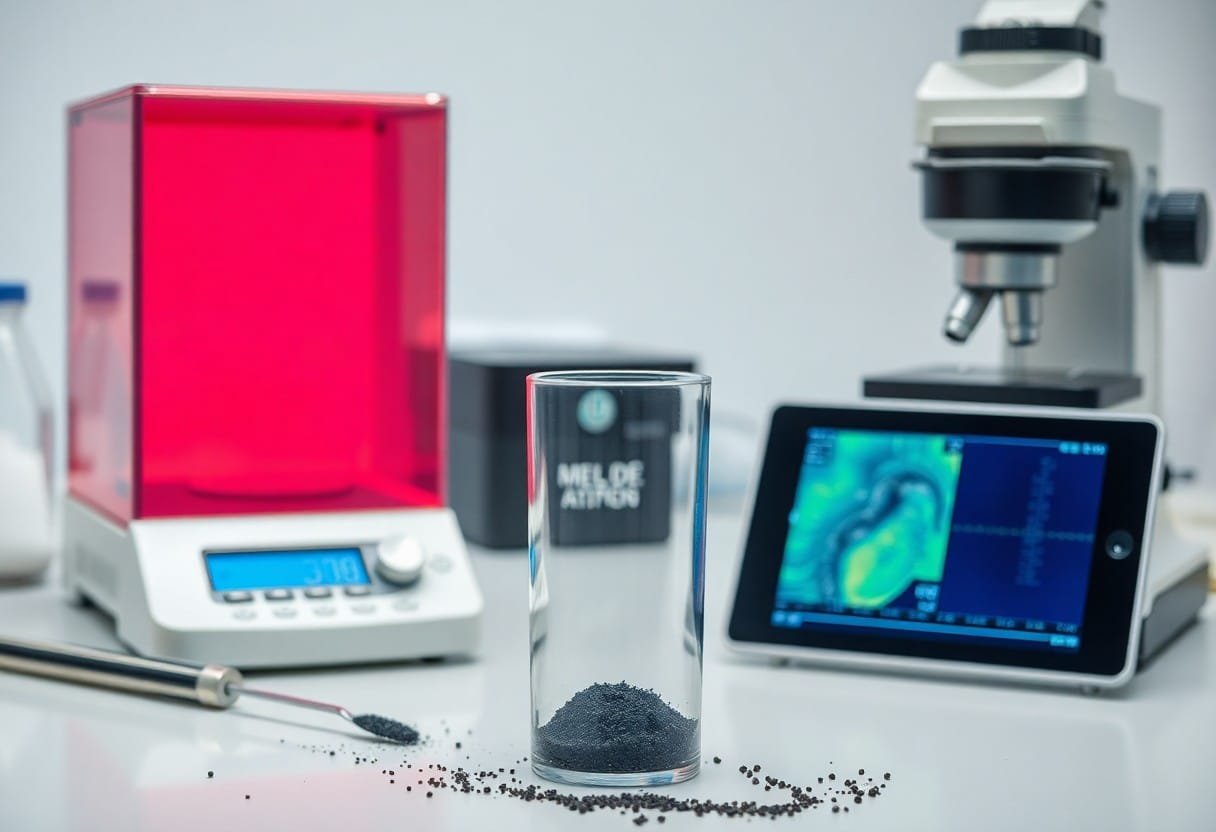
Recent research reframes carbonized materia medica as primarily adsorptive and catalytic, explaining how Bai Cao Shuang’s fine carbon particles bind blood and toxins while modulating local coagulation; you can consult clinical overviews such as Hemostatic powders for gastrointestinal bleeding – PMC – NIH for comparable mechanisms in modern hemostatic powders.
Chemical Composition and Absorption Mechanisms
Chemical analyses reveal high surface-area carbon, residual mineral ash and oxygenated functional groups; you observe how porosity and charged surfaces promote protein adsorption and concentrate clotting factors, while trace metals may catalyze local hemostatic reactions.
Contemporary Research on Wound Healing Properties
Studies report reduced bleeding time, antimicrobial activity and enhanced granulation in animal models, and you can interpret these findings as supportive of traditional applications when particle size and dosage are controlled.
Laboratory models indicate carbonized surfaces interact with cytokine networks, modulating inflammation and promoting re-epithelialization; you will find parallels with synthetic hemostats, though rigorous clinical trials remain necessary for clear therapeutic recommendations.
Conclusion
So you should view Bai Cao Shuang as a traditional hemostatic powder that can control minor bleeding and may relieve mild digestive irritation when applied or taken per traditional methods. You will notice rapid clotting on superficial wounds and anecdotal benefit for gastritis-like discomfort.
Consult a qualified healthcare provider before using the powder for internal bleeding; avoid prolonged self-treatment for serious conditions.