

There’s a pungent resin, A Wei (asafoetida), that eases bloating and spasms as a powerful digestive aid and functions as an antiparasitic resin; you must use it cautiously because it can trigger allergic reactions and is toxic in high doses.

Botanical Origins and Harvesting of Ferula Resin
Ferula species native to arid Eurasian slopes produce the oleo-gum-resin when stems or roots are wounded, and you collect the sap as it coagulates into lumps that are later dried; the resin is prized for its powerful digestive aid and antiparasitic effects.
Harvesters work during dry months, making shallow cuts to bleed sap and timing harvests to allow regrowth, so you should prefer sustainably sourced material because overharvesting threatens wild Ferula populations.
The Ferula Species: Source of the Oleo-gum-resin
Several Ferula species yield resin used medicinally, with F. assa-foetida most often cited for potency, and you will find chemical and aromatic differences influence how the resin is used.
Rootstock condition and flowering stage affect resin yield and composition, and you can assess quality by color, aroma, and hardness before choosing material for therapeutic preparations.
Traditional Extraction and Processing Methods
Traditional gatherers make controlled incisions and scrape exuded gum into molds, then sun-dry or smoke the lumps to stabilize aroma, so you should avoid attempting large-scale processing at home because of contamination and handling risks.
Collectors grade resin by color and brittleness, rejecting batches adulterated with starches or cheap resins, and you must be alert to adulteration that reduces efficacy and can pose health hazards.
Processing facilities sometimes refine resin into powdered or oleoresin fractions for dosing and culinary use, yet you should always verify purity and avoid use in pregnancy due to reported uterotonic effects and the potential for strong allergic reactions.
Chemical Composition and Therapeutic Compounds
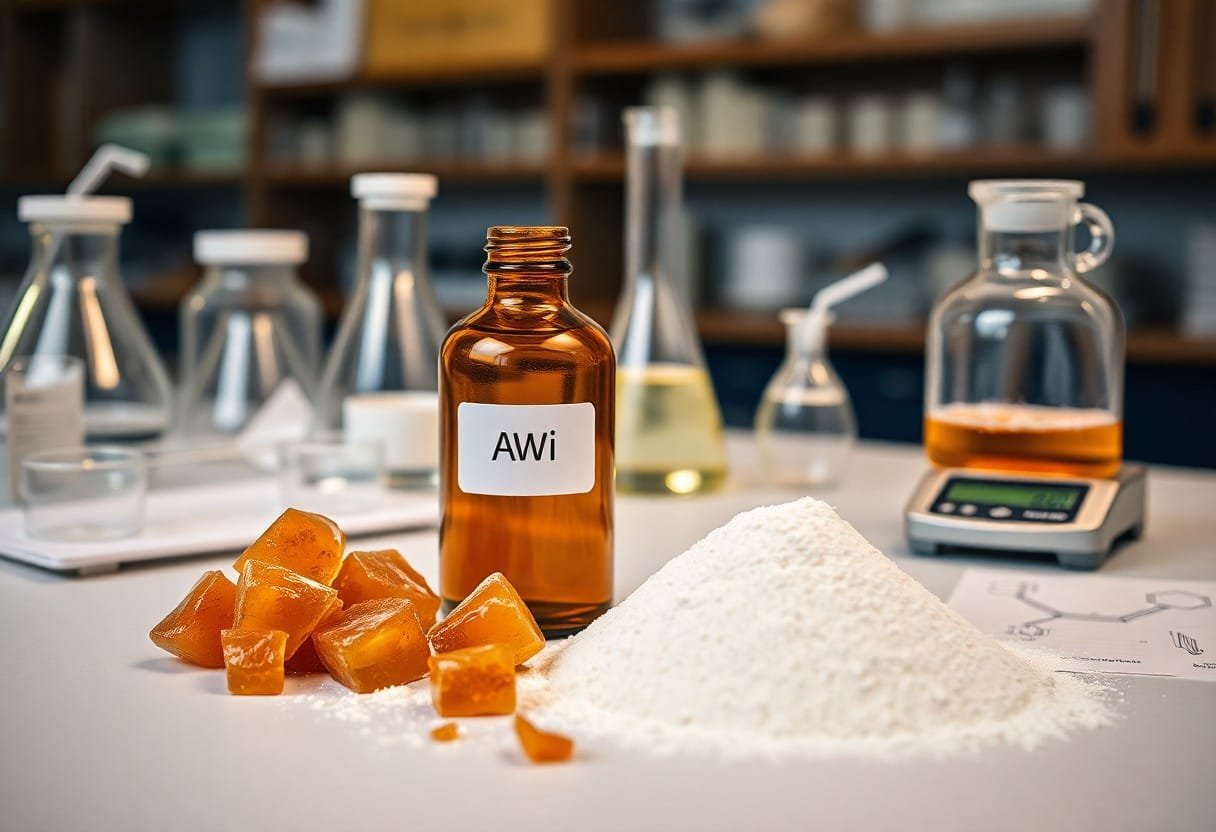
Resin dominates asafoetida’s profile, blended with gum and a volatile oil fraction; you encounter a mix of sulfur-containing organosulfides, phenolic acids like ferulic acid, and diverse terpenoids. These constituents explain the resin’s digestive and antiparasitic effects while producing a strong odor, mucosal irritation, and possible uterine stimulant effects that advise caution in pregnancy.
Volatile Oils and Sulfur-Containing Organosulfides
Volatile oils carry the characteristic odor and much of the bioactivity; you will find disulfides and trisulfides that are chemically reactive and heat-sensitive. The pungent sulfur compounds drive antimicrobial effects but also contribute to irritancy.
These organosulfides disrupt microbial membranes and key enzymes, giving you antiparasitic and broad-spectrum antimicrobial activity in vitro while posing a risk of allergic or gastrointestinal sensitivity at higher doses.
Ferulic Acid and Bioactive Terpenoids
Ferulic acid in the resin provides antioxidant and anti-inflammatory actions, so you may observe reduced oxidative stress and improved gut mucosal protection in experimental models. Its presence helps modulate the resin’s therapeutic profile.
Terpenoids, including mono- and sesquiterpenes, support carminative and antispasmodic effects that aid your digestion and can augment antiparasitic efficacy; their synergy with ferulic acid underpins many traditional applications.
Studies indicate that when you use extracts standardized for ferulic acid and terpenoid content, bioavailability and therapeutic consistency improve, making standardization important for reliable benefits and safer dosing.
Digestive Pharmacology and Gastrointestinal Benefits
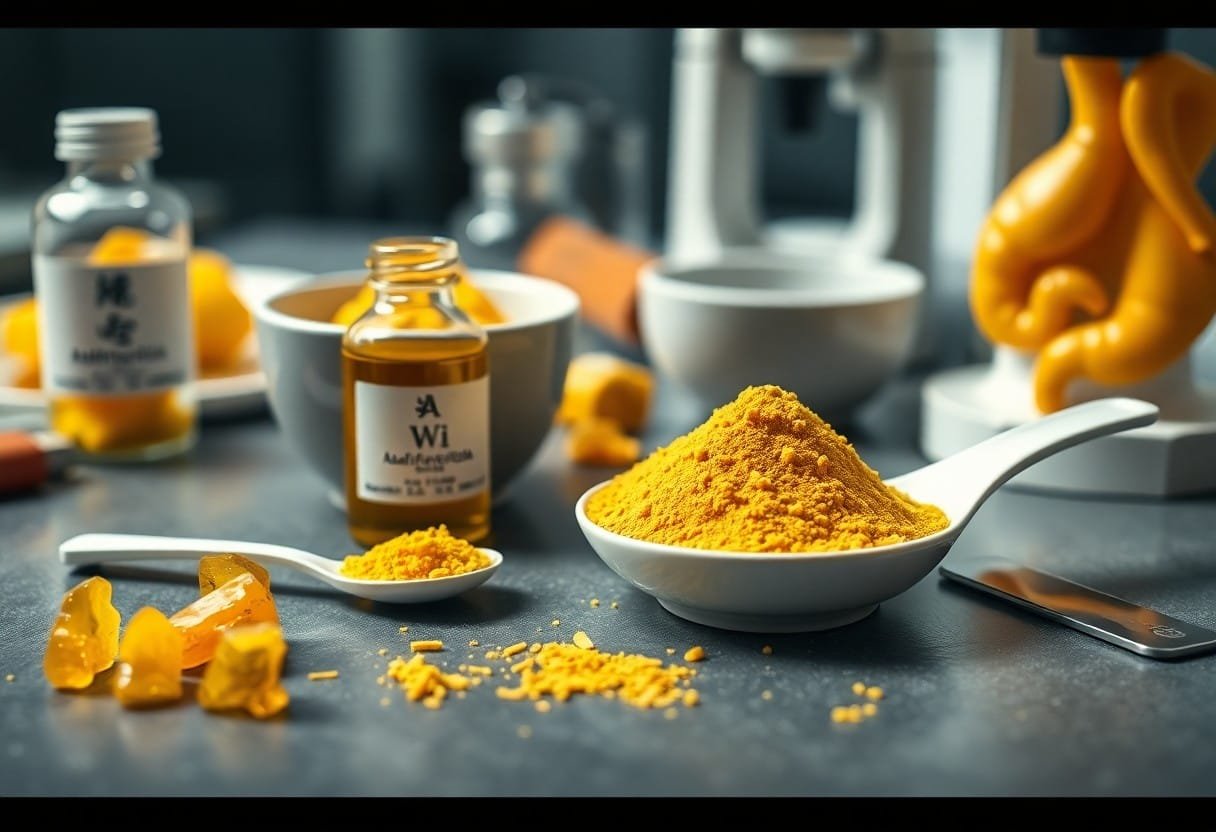
Asafoetida helps modulate digestive secretions and gut motility, so you often notice reduced bloating and quicker meal tolerance; its sulfurous resin contains compounds that stimulate pancreatic enzyme release and assist biliary secretion, improving fat and protein digestion. You should use modest doses to minimize bitter gastric upset and allergic reactions.
Clinical observations and traditional reports suggest you may experience faster gastric emptying and relief from dyspepsia with low-dose resin preparations, but high doses can irritate the stomach lining or provoke hypersensitivity. Do not exceed recommended doses without professional guidance.
Stimulation of Pancreatic Enzymes and Bile Flow
You will find that active constituents in the resin enhance pancreatic enzyme secretion and promote bile flow, which aids lipid emulsification and nutrient absorption; this can reduce postprandial heaviness. Use cautiously if you have gallstones or biliary obstruction, since increased bile flow may worsen pain.
Carminative Action and Management of Flatulence
Traditional use gives you immediate relief from intestinal gas because asafoetida acts as a potent carminative, relaxing smooth muscle and facilitating gas expulsion; small amounts after meals often lessen bloating and cramping. Observe how your symptoms respond before adjusting dose.
When you prepare the resin in warm water or ghee, volatile oils vaporize and act on gut flora to reduce fermentation and gas production, improving comfort during digestion; avoid large doses that can cause heartburn or loose stools.
Caution is advised if you have severe GERD, peptic ulcers, or known allergies, since the resin can irritate mucosa and trigger bronchospasm in sensitive individuals-test a tiny dose first and seek medical advice if symptoms escalate. Severe reactions require immediate care.
Antiparasitic and Antimicrobial Efficacy
Asafoetida’s resin contains sulfurous and phenolic compounds that exhibit both antiparasitic and antimicrobial actions, reducing parasite load and inhibiting microbial growth in laboratory studies. You should weigh traditional use against evidence, because high doses can irritate mucosa and pose toxicity risks.
Mechanisms in Eliminating Intestinal Helminths
Compounds in asafoetida interfere with helminth neuromuscular function, causing paralysis and facilitating expulsion from the gut. You will find efficacy varies by species and developmental stage, and increased doses raise the chance of gastrointestinal irritation.
Broad-spectrum Antibacterial and Antifungal Properties
Studies show extracts inhibit Gram-positive and Gram-negative bacteria as well as pathogenic fungi, with activity attributed to terpenoids and sulfur constituents. You should note that in vitro activity does not guarantee clinical success, yet the breadth of inhibition explains many traditional applications.
Laboratory assays report dose-dependent killing of Candida and Staphylococcus species and occasional synergy with antibiotics, but you must consider that systemic clinical data are limited and topical or oral misuse can cause contact dermatitis or mucosal damage.
Applications in Traditional Chinese and Ayurvedic Medicine
Classical Chinese and Ayurvedic texts describe asafoetida as a warming resin used to treat digestive stagnation and parasitic burdens, and you will find it combined with bitter and acrid herbs to promote digestion and deliver antiparasitic effects while warning of a risk of mucosal irritation and pregnancy contraindication at high doses.
Clearing Food Stagnation and Regulating Qi
You can use small, warmed doses of asafoetida to relieve bloating and move trapped food by stimulating gastric secretions and regulating qi, but you should avoid large amounts because of the risk of gut irritation.
Balancing Doshas and Enhancing Bioavailability in Formulations
Practitioners add asafoetida to vata- and kapha-pacifying formulas to balance doshas and to enhance bioavailability of herbal constituents, advising you to keep doses low and combine it within complementary blends.
Care when using asafoetida if you are pregnant, breastfeeding, or prone to allergies, since you must avoid uterine-stimulating effects and monitor for allergic reactions or gastrointestinal sensitivity.
Clinical Considerations and Safety Profile
Clinical use of asafoetida has a long folk history, but you should be aware of common adverse effects like GI upset, nausea, and contact dermatitis in sensitive individuals. Allergic reactions can be severe for people with spice or gum resin sensitivities, so stop use if you develop rash or breathing trouble.
You should avoid asafoetida during pregnancy and lactation and if you have bleeding disorders, since traditional reports and limited data suggest potential uterine stimulation and anticoagulant activity.
Recommended Dosage and Traditional Preparations
Traditional cooks and healers use a very small amount; you can start with a pinch (about 1/8-1/4 teaspoon) of powdered resin in food or dissolved in warm water to aid digestion. Small, occasional doses are the norm rather than continuous high intake.
For medicinal use, you can prepare asafoetida in ghee, hot water, or as a diluted tincture; you should follow product instructions or practitioner guidance and begin with the lowest effective amount to gauge tolerance.
Contraindications and Potential Drug Interactions
Pregnancy and breastfeeding are clear contraindications in traditional sources, and you should avoid use if you have bleeding tendencies or upcoming surgery. Concurrent use with anticoagulants, antiplatelet agents, or strong hypoglycemics may increase risk.
Interactions with prescription drugs are not fully characterized; you should monitor therapy closely and consult your prescriber if combining asafoetida with blood thinners or antidiabetic medications, especially due to potential for increased bleeding or enhanced glucose lowering.
Final Words
Upon reflecting you recognize that A Wei (asafoetida) is a potent digestive aid and antiparasitic oleo-gum resin used in traditional medicine; you can appreciate both its carminative effects and reported antiparasitic activity. Review clinical findings such as Ferula asafoetida oleo-gum resin alleviates dyspepsia … – PMC and consult a clinician before therapeutic use.