

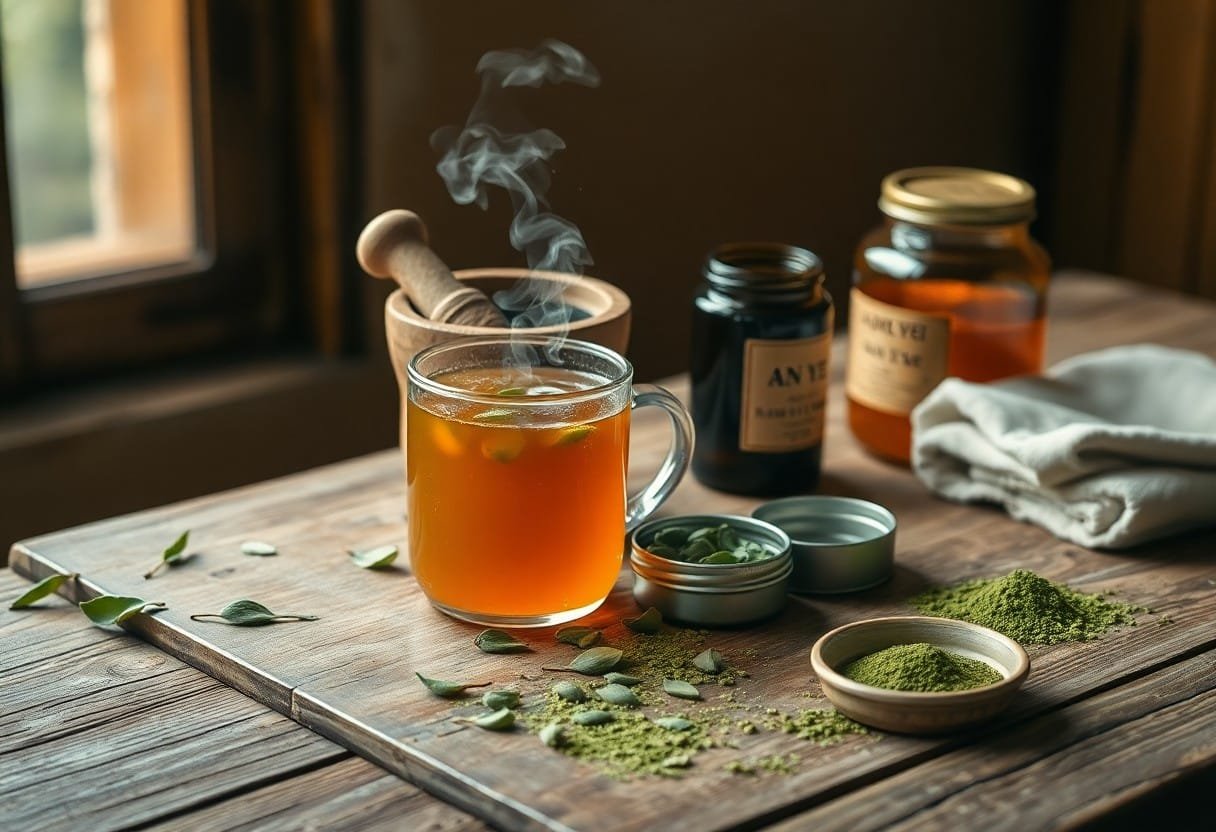
Key Takeaways:
- An Ye (apricot leaf) has traditional use in East Asian medicine to relieve coughs, reduce phlegm, and treat inflammatory skin conditions.
- Active constituents such as amygdalin and flavonoids may produce expectorant, anti-inflammatory, and antimicrobial effects, but high-quality clinical trials are sparse.
- Safety concerns include cyanide release from amygdalin, potential drug interactions, and contraindication in pregnancy and breastfeeding; consult a healthcare provider before use.
Botanical Profile and Phytochemical Composition
Prunus armeniaca produces broad, ovate leaves with a glossy upper surface and serrated margins; as you read earlier, foliage concentrates several phytochemicals that vary by season. You should note that apricot leaves can contain amygdalin, a cyanogenic glycoside that may release cyanide if ingested.
Leaves are harvested young in many traditions because you obtain higher concentrations of flavonoids and phenolics at that stage; analytical reports confirm seasonal and age-related variability. Phytochemical screens commonly reveal flavonoids, phenolic acids, and trace cyanogenic compounds.
Identification of Prunus armeniaca Foliage
You can identify the foliage by its ovate to cordate base, acuminate tip, and pronounced serration along the margins; leaf length commonly ranges 4-9 cm with an alternate arrangement and a glossier upper surface than underside.
Examine venation closely: pinnate veins with 8-12 laterals and often a small gland on the petiole help distinguish it from related Prunus. When you crush leaves an almond-like scent indicates cyanogenic compounds, which is a diagnostic and safety-relevant trait.
Key Bioactive Compounds: Flavonoids and Phenolics
Flavonoids such as quercetin and kaempferol are abundant in the leaves and give you antioxidant and anti-inflammatory effects that underpin traditional respiratory and dermatological uses.
Phenolics, including chlorogenic and caffeic acids, contribute antimicrobial and radical-scavenging activity; you should be aware that concentrations change with leaf maturity and extraction method.
Analyses by HPLC and spectrophotometry reveal quercetin glycosides and high total phenolic content; you must consider that solvent, temperature, and harvest timing dramatically alter yields and that standardized dosing and comprehensive safety data are limited, while co-extraction of cyanogenic glycosides can pose risks.
Therapeutic Efficacy in Respiratory Health
Leaves of An Ye contain saponins and flavonoids that act as mild expectorants and bronchodilators, so you may notice eased coughing and clearer mucus while monitoring for allergic reactions.
Clinical reports and case series indicate short-term use can reduce cough frequency and relieve chest tightness, but you should seek medical care if you develop worsening breathlessness or high fever.
Antitussive and Expectorant Mechanisms
Saponins in the leaf reduce mucus viscosity and stimulate ciliary clearance, so you find expectoration easier and cough intensity lower while mild central effects may suppress the cough reflex in acute situations.
Management of Chronic Bronchitis and Asthma
Traditional practice uses An Ye as an adjunct during flare-ups to reduce sputum and wheeze, and you must not replace prescribed inhalers or corticosteroids with the herb.
Evidence remains limited to small trials and animal studies, so you should consult a clinician before long-term use and watch for drug interactions or allergic reactions.
Dermatological Applications and Skin Healing
Dermatological use of An Ye centers on reducing inflammation, soothing irritation, and supporting superficial wound closure; you may notice less redness and itching when using properly prepared extracts. Patch-test before use and choose regulated formulations because the leaf contains amygdalin, which can release cyanide if misused.
Treatment of Inflammatory Skin Conditions
You can apply creams or compresses with apricot leaf extract to calm eczema, contact dermatitis, and minor burns, as flavonoids and tannins help reduce swelling and itch. Monitor for irritation and avoid prolonged occlusion to limit systemic absorption of cyanogenic compounds.
Antimicrobial Properties for Topical Infections
Topically, An Ye exhibits antimicrobial activity against common skin bacteria and some fungi, which can help prevent colonization of minor wounds when combined with proper cleansing. Seek professional care for spreading redness or systemic signs, since serious infections require medical treatment.
Evidence from laboratory studies shows variable potency depending on extraction and concentration; you should prefer standardized preparations and never substitute apricot leaf remedies for antibiotics in cases of cellulitis or abscess, because relying solely on topical An Ye for deep infections can be dangerous.
Traditional Chinese Medicine (TCM) Perspectives
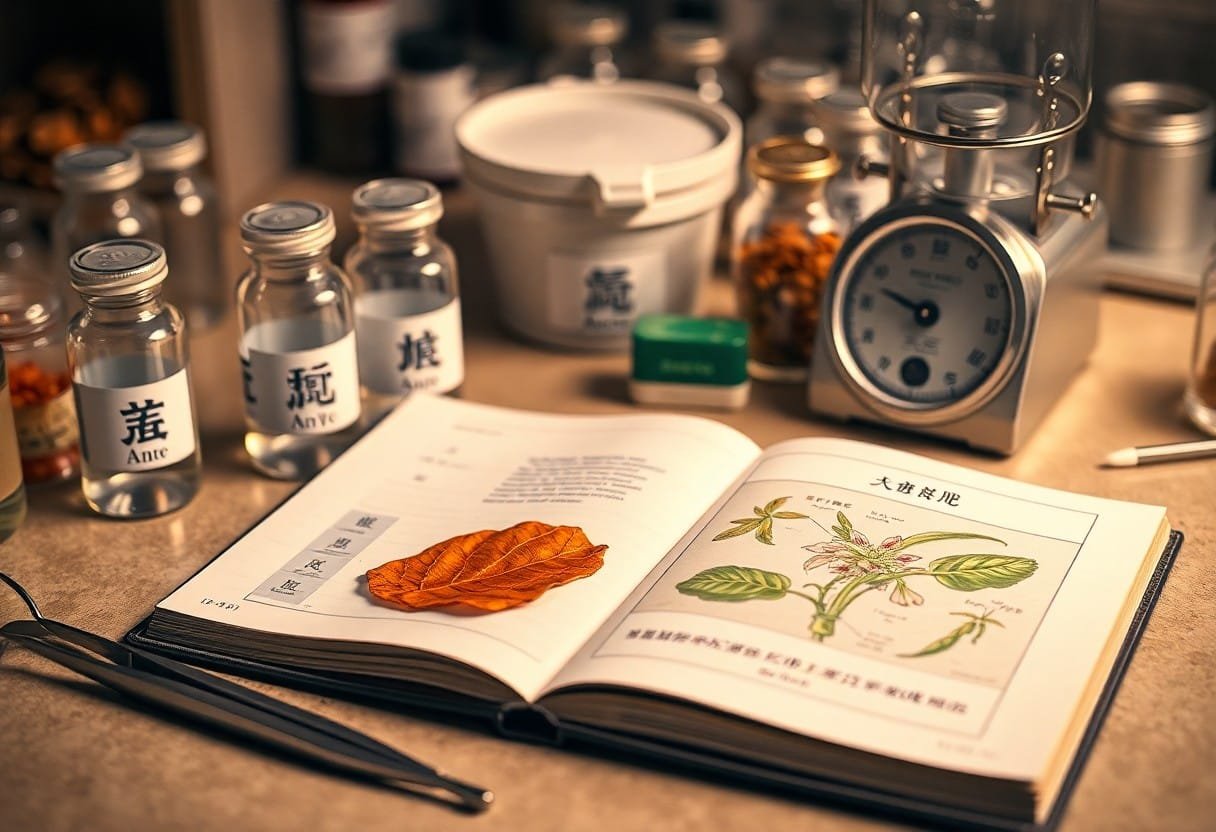
Within TCM theory, An Ye is classified as mildly cooling and used to clear heat from the Lung and skin. You will see it applied for chronic coughs with phlegm and for itchy, inflamed dermatoses; practitioners pair it with herbs that harmonize Qi. Pay attention to dosing and preparation, since improper use can aggravate cold conditions.
You should assess constitutions carefully: An Ye favors those with heat signs but can worsen yang deficiency. In clinical practice, you may find it used topically for eczema and taken as a decoction for persistent cough. Avoid if you have cold limbs or loose stools.
Energetic Properties: Nature, Flavor, and Meridians
Leaves are described as bitter and slightly sweet, entering the Lung and Large Intestine meridians, which explains their effects on both respiration and skin. When you apply them, they act to disperse heat and relieve itching, but you must balance with warming herbs for deficient patients.
Historical Usage in Ancient Pharmacopeias
Ancient pharmacopeias list An Ye in formulas for cough, asthma, and scabies; you will find notes on both internal decoctions and external washes. Compilers cautioned about fresh versus dried dosage, advising lower amounts for weak patients and higher for acute heat.
Records from Tang and Song materia medica often recommend combining An Ye with Licorice and Ginger; you should recognize these pairings aim to moderate potency and reduce unpleasant effects. Classical texts also warn of possible toxicity if used raw or in excess, prompting careful preparation.
Preparation and Administration Guidelines
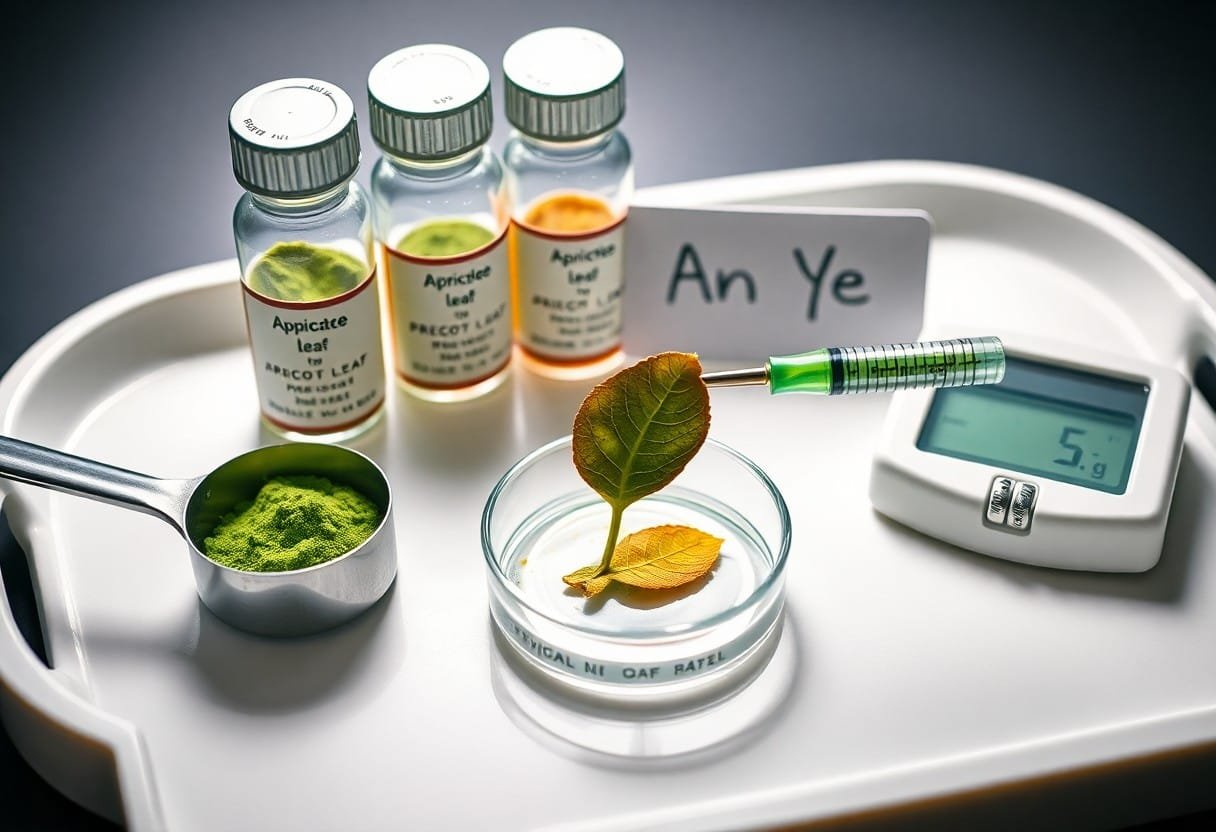
Preparation should begin with sourcing clean, pesticide-free leaves; you should dry or use fresh soon after harvest and store in a cool, dark place. Traditionally valued for mild respiratory and skin inflammation, keep batches labeled and avoid contaminated material.
Always perform a small sensitivity check before wider use and keep records of reactions; internal preparations can contain cyanogenic glycosides, so avoid use in pregnancy, children, or with liver disease.
Internal Use: Decoctions and Infusions
Decoctions require gentle simmering of leaves for about 10-15 minutes, while infusions of dried leaves steep 8-10 minutes; you should sip small amounts and limit courses to short periods. Traditional use targets cough and mucous congestion, but monitor for nausea, dizziness, or other signs of toxicity.
External Use: Poultices and Medicated Washes
Poultices form by bruising or finely chopping leaves and warming before applying to clean skin for 15-30 minutes; you should secure with a breathable cover. Provides topical relief for mild inflammation in traditional practice, and stop use if irritation occurs; do not apply to deep wounds or mucous membranes.
Before prolonged application, perform a patch test on a small area and prepare medicated washes by simmering leaves 5-10 minutes, cooling and diluting; you should use lukewarm liquid and discard if odor or color is unusual. Avoid use on infants and during pregnancy due to internal absorption risks, and consult a healthcare professional for persistent or severe conditions.
Safety Profile and Clinical Precautions
Leaves contain bitter compounds and possible cyanogenic glycosides; you may develop contact dermatitis from topical use or, with ingestion, face risk of cyanide toxicity.
You should stop use and seek immediate care if you experience severe headache, confusion, nausea, or breathing difficulty, and inform providers about any An Ye exposure.
Recommended Dosage and Toxicity Considerations
No standardized dosing exists for An Ye; commercial preparations vary widely and potency is unpredictable. If you consider internal use, limit dose and duration under clinician supervision because there is no established safe oral dose and high doses risk cyanide poisoning.
Contraindications and Potential Drug Interactions
Pregnancy, breastfeeding, infants and young children should avoid internal use because you are at higher risk from even small cyanide exposure.
Patients taking medications that impair hepatic metabolism or receiving cyanide-releasing therapies (such as sodium nitroprusside) may face increased danger; you must disclose An Ye use to prescribers to assess interaction risk and monitoring needs.
Before combining An Ye with other treatments you should request medical advice, obtain baseline liver testing if advised, and watch for early signs-headache, dizziness, nausea, rapid breathing-as indicators of possible cyanide poisoning.
Conclusion
Upon reflecting you acknowledge that An Ye (apricot leaf) provides traditional relief for respiratory and skin complaints, and you should treat it as a supportive option while monitoring effects and avoiding allergic reactions.
Consult your healthcare provider before use and review herbal specifics via Prunus armeniaca (Apricot) – Ayurvedic Uses & Health … to confirm interactions, dosage, and suitability for your condition.