


It’s an aromatic resin used in traditional medicine; you should know it opens orifices and resolves phlegm, yet poses a risk of irritation or allergic reaction, so you must use it cautiously under professional guidance.

Key Takeaways:
- An Xi Xiang (Benzoin) is an aromatic resin used in traditional Chinese medicine to open sensory orifices, transform turbid phlegm, and revive consciousness.
- Primary uses include aromatic resuscitation for fainting or stupor, relief of chest congestion and phlegm-obstructed breathing, and inclusion in inhalation or topical preparations to clear nasal and bronchial passages.
- Use in small doses with caution: avoid during pregnancy and in cases of yin deficiency with heat; potential for mucosal irritation and allergic reactions requires conservative dosing and monitoring.
Botanical Origin and Resin Collection
Styrax trees in Southeast Asia exude benzoin when you make controlled incisions; the sticky sap hardens into pale to amber chips. You will note aromatic resin prized for opening orifices and resolving phlegm, while also guarding against skin sensitization and flammability during collection and storage.
Harvesters time tapping by season and wound trees shallowly so you preserve long-term health; yields vary by species and age. You should inspect raw resin for contamination or adulteration and favor batches with clear aroma and minimal dirt or solvent odor.
Species Identification: Styrax tonkinensis and Styrax benzoin
Tonkinensis and benzoin refer to different Styrax sources; you can identify Styrax tonkinensis (Siam) by lighter, sweeter resin and Styrax benzoin (Sumatra) by darker, balsamic notes. You often confirm identity through bark, geographic origin, and chemical profile.
Morphology differences include leaf size, flower structure, and bark texture that you can verify in the field, but accurate authentication relies on laboratory tests such as GC-MS. You must watch for substitutes that mimic scent yet lack the therapeutic constituents.
Sustainable Harvesting and Purification Processes
Sustainable tapping schedules and community management let you harvest without killing trees; rotation and limited cuts encourage regeneration and steady supply. You should support local collectors trained to avoid deep wounds that cause long-term decline or low yields.
Purification combines mechanical cleaning, gentle heating, and solvent or steam processing to reduce impurities; you must ensure processes remove residues to avoid toxic contaminants. You can test batches for solvent residues and microbial growth before using or selling.
Protocols such as traceability, batch labeling, and third-party testing enable you to verify sustainable origin and purity; look for organic or fair-trade certification plus GC-MS fingerprints to confirm authenticity and absence of solvent residues.
Traditional Chinese Medicine Energetics
An Xi Xiang is prized in TCM for its warming, aromatic action, used to open the orifices and transform turbid phlegm so you can restore clearer sensory and cognitive function.
You will find it mobilizes constrained qi and warms the middle, but apply with restraint since excessive use may aggravate heat or irritate mucous membranes.
Nature, Flavor, and Meridian Tropism
Warm and aromatic, An Xi Xiang is sweet and acrid in flavor and is traditionally considered to enter the Heart, Spleen, and Lung meridians, which is why you use it for consciousness and phlegm-related obstruction.
Because its aroma ascends, you will notice it directs qi upward to open the sensory orifices while transforming turbid phlegm and dispelling damp stagnation.
Primary Functions: Opening Orifices and Moving Qi
Opening the orifices and moving qi are its chief actions; you employ it to revive fainted patients, relieve chest fullness from phlegm, and to guide other aromatic herbs toward the sensory centers.
Clinical application favors low doses and aromatic carriers; you should pair it carefully and avoid use in pregnancy or pronounced yin-deficient heat because of its strong warming potency.
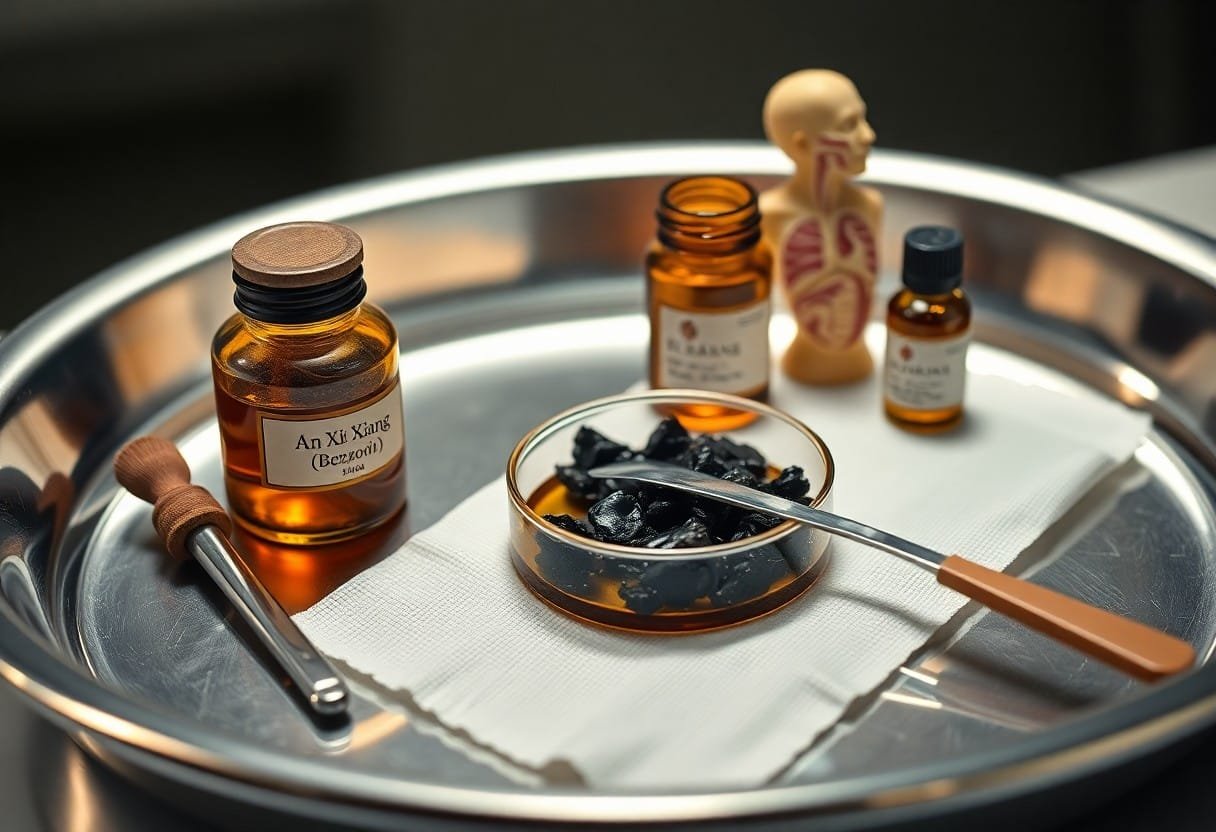
Clinical Applications for Orifice Awakening
Clinicians commonly use An Xi Xiang in combined formulas to open orifices and dislodge turbid phlegm; you will observe rapid olfactory stimulation and a modest uplift in arousal when applied as fumigation or inhalation adjunct. Use short, controlled exposure to limit mucosal irritation and coughing.
You should always pair aromatic application with airway and circulatory support, avoiding reliance on resin when breathing is compromised; immediate advanced care remains the priority. Maintain heightened caution with reactive airways and known allergies.
Treatment of Sudden Collapse and Loss of Consciousness
Emergency teams may include An Xi Xiang as a temporary measure to stimulate respiration and consciousness while you secure airway and circulation; apply fumigation briefly and monitor response. Combine with stimulation, oxygen, and rapid transfer to definitive care; do not rely on resin alone.
Management of Wind-Stroke and Phlegm-Damp Blockage
Patients presenting with wind-stroke and phlegm-damp obstruction can benefit from aromatic opening to clear sensory channels, provided you integrate An Xi Xiang with phlegm-resolving herbs and expectoration techniques. Watch for choking and aspiration risk; address airway first and foremost.
Treatment often uses low-dose fumigation or localized application near the nostrils to encourage expectoration and alertness; you should avoid intense inhalation and observe for irritation or allergic reaction. Reports indicate faster recovery of consciousness when used appropriately, but safety controls must guide use.
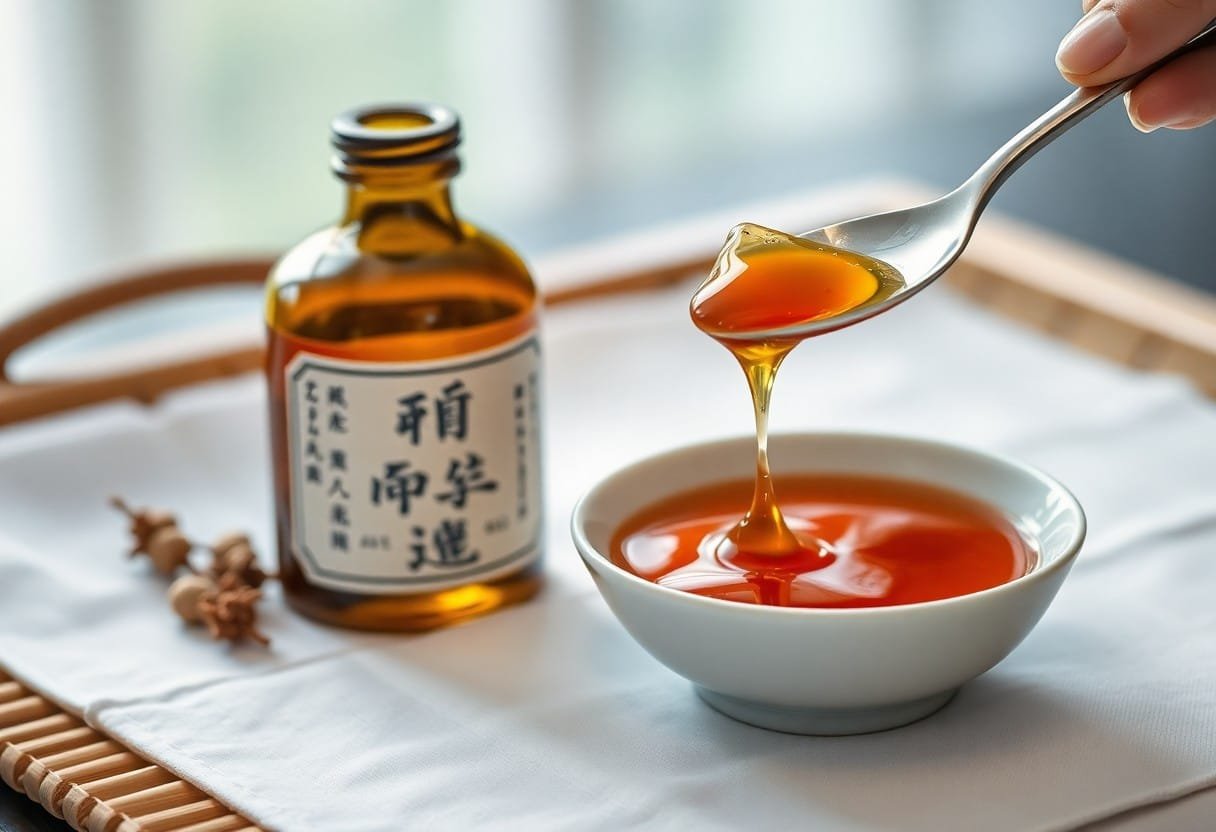
Respiratory and Phlegm-Resolving Properties
Benzoin resin warms the chest and helps you clear stagnated phlegm, making expectoration easier. You may apply it in steam inhalation or as part of a topical formula to support mucus mobilization; positive effect: it can open the orifices and reduce viscosity. Warning: avoid undiluted inhalation or high doses that can irritate mucosa.
Clinically, practitioners pair benzoin with expectorants and warming herbs for cold-phlegm patterns, and you should watch for increased cough or allergic response. Safety: seek professional guidance if you have chronic lung disease or are pregnant.
Mechanism for Expelling Cold-Phlegm from the Lungs
Heat from benzoin’s aromatic compounds dilates bronchial passages so you can mobilize cold, sticky phlegm more effectively. Its volatiles thin secretions and mildly stimulate cough reflexes, assisting expectoration without harsh stimulation.
When combined with complementary warm herbs, benzoin transforms dense phlegm into more fluid mucus that you can expel; observe for relief in chest congestion. Danger: excessive use may provoke bronchial irritation in hypersensitive individuals.
Therapeutic Use in Chronic Cough and Chest Congestion
For chronic cough presenting with cold-phlegm signs, you may use benzoin in controlled inhalations, balms, or compounded decoctions under supervision to reduce stagnation and improve breathing. Combine it with expectorant formulas for sustained benefit.
You should monitor sputum changes and chest tightness while using benzoin, and seek immediate care for bloody or worsening cough. Positive: many patients report quicker symptomatic relief; Warning: avoid concentrated smoke or undiluted resin inhalation.
Care with dosing and formulation is imperative: small, measured amounts reduce phlegm without overstimulation, and you should consult a qualified practitioner if you take anticoagulants or have cardiovascular or severe pulmonary conditions. Danger: do not self-prescribe concentrated inhalations in unstable health states.
Circulatory Benefits and Pain Management
An Xi Xiang supports circulation by warming channels and dispersing stasis, so you can experience reduced focal pain and improved peripheral blood flow; used with other move-blood herbs it helps break up congealed blood and phlegm. Use caution with anticoagulants and avoid during heavy bleeding.
You may combine it with moxibustion or topical liniments to enhance analgesia for chronic aches, with reports of decreased pain intensity in chest and abdominal stagnation. Avoid use in early pregnancy and consult a practitioner if you take blood thinners.
Invigorating Blood to Resolve Stasis
By promoting microcirculation, An Xi Xiang helps you resolve fixed, stabbing pain from blood stasis and mobilizes congealed blood while addressing associated phlegm; it softens hard masses in traumatic and gynecological patterns. Monitor for bruising or prolonged bleeding.
Relief of Postpartum and Abdominal Pain
Postpartum you can use small, controlled doses to ease uterine and abdominal pain linked to retained lochia or cold-induced stasis, often combined with herbs that stop bleeding; supervision is required because improper dosing can worsen hemorrhage, especially with anticoagulant use.
Consult a licensed herbalist to tailor dose, route, and timing after delivery so your recovery balances circulatory action with hemostatic agents and reduces risks like increased bleeding or allergic reactions.
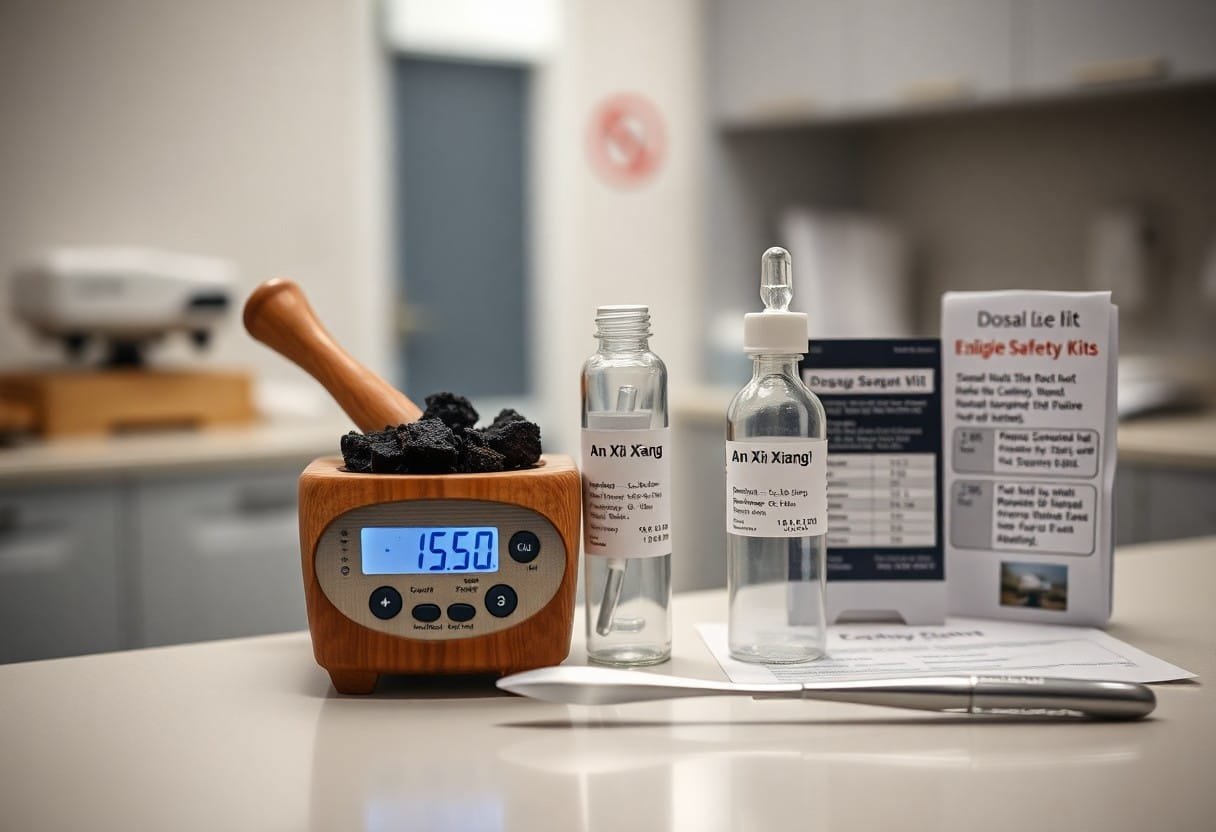
Dosage, Administration, and Safety
You should keep An Xi Xiang use brief and in small, controlled amounts, preferring combination formulas that moderate its potency; monitor for mucosal irritation or allergic reaction and avoid repeated high-dose internal administration.
Monitor patients closely after the first dose for signs of sensitivity, respiratory discomfort, or skin reaction, and discontinue immediately if severe reactions occur; document response to guide future dosing.
Proper Formulation in Pills and Powders
When you prepare pills or powders include An Xi Xiang as a minor, aromatic component blended with neutral binders or carriers to standardize dose; do not overheat during processing so the volatile constituents remain active and less irritating.
Essential Contraindications and Cautions
Avoid prescribing An Xi Xiang to anyone with a known resin or balsam allergy, and refrain from internal use in pregnancy or breastfeeding; stop use if you suspect airway sensitivity or worsening respiratory symptoms.
Observe for contact dermatitis with topical use by performing a patch test when possible, use reduced doses in children and the elderly, and seek emergency care for signs of anaphylaxis such as throat tightness or severe breathing difficulty.
To wrap up
You can incorporate An Xi Xiang 安息香, Benzoin Resin, Benzoinum, Styrax to open orifices and resolve phlegm; its warming aromatic resin supports consciousness and airway clearing. You should follow proper dosing and consult a qualified practitioner when combining it with other therapies to ensure safe, effective use.