
There’s documented use of Bai Bu (Stemona root) to moisten lungs, suppress chronic cough, and address certain parasitic infections; you should work with a qualified practitioner to determine safe dosing and monitor effects.
Key Takeaways:
- Bai Bu (Stemona root) moistens the lungs and stops chronic, dry coughs by nourishing lung yin and suppressing excessive cough reflexes.
- Stemona contains alkaloids with antitussive and antiparasitic/insecticidal activity, traditionally used for lice and intestinal parasites.
- Clinical use targets chronic cough with scanty sputum; avoid use for cough with abundant, greasy phlegm and consult a practitioner before use in pregnancy.
Botanical Profile and Characteristics
Stemona produces compressed, tuberous roots with concentric rings and a faint camphor-like aroma that help you distinguish genuine bai bu from substitutes; the erect stems carry simple leaves and modest tubular flowers that reflect chemotype variation.
Leaves vary in shape and venation across specimens, giving you visual cues about maturity and harvest timing, while plant height and habitat moisture influence the concentration of antitussive alkaloids.
Species Diversity: Stemona sessilifolia, japonica, and tuberosa
Sessilifolia yields dense, aromatic tubers commonly used in classical antitussive formulas, so you will encounter it most often in traditional prescriptions and authenticated batches.
Japonica and tuberosa show distinct root morphologies and differing alkaloid profiles, which means you must consider species identity when selecting bai bu for chronic cough or parasitic indications.
Harvesting and Traditional Preparation of the Tuberous Roots
Harvesters typically lift tubers in autumn after sufficient carbohydrate accumulation, and you should inspect for firm, blemish-free roots before commencing postharvest processing.
Drying is carried out slowly in shade or at low temperatures to retain volatile constituents, with slices or whole roots prepared depending on intended decoction methods you follow.
Processing sometimes includes gentle roasting or steaming steps used in certain schools of practice, procedures you should verify on labels since they can modify the herb’s aromatic profile and therapeutic balance.
Traditional Chinese Medicine (TCM) Energetics
Bai Bu helps you moisten the lungs and alleviate persistent, dry coughs by nourishing yin and softening phlegm, while retaining notable antiparasitic properties noted in classical texts.
Clinically you will find it suited to chronic cough patterns with scant sputum, night cough, and cases where calming mucosal dryness without overstimulating qi movement is required.
Nature and Flavor: Sweet, Bitter, and Slightly Warm
Sweet aspects guide you toward its harmonizing and slightly tonic effects, supporting damaged lung fluids without harshness.
Slightly bitter notes and a mildly warm nature mean you can apply it to resolve stagnation and counteract pathogenic dryness without producing excess heat.
Meridian Tropism and the Lung Channel
Lung channel affinity signals that you should prioritize Bai Bu for respiratory disorders-especially dry, stubborn coughs and phlegm that resists expectoration-while its actions can extend to parasitic presentations affecting the chest and upper airway.
When you pair it with yin-nourishing or phlegm-transforming herbs, Bai Bu’s lung tropism helps root formulas in respiratory repair and supports concurrent antiparasitic strategies.
Clinical Applications for Respiratory Health
Bai Bu soothes dry, chronic cough by moistening lung tissue and suppressing persistent cough reflexes; when you treat prolonged, nonproductive coughs its yin-nourishing action can reduce frequency and improve sleep.
Clinicians integrate Bai Bu into formulas tailored to cough pattern and constitution; you should combine it with expectorants or heat-clearing herbs as needed and monitor symptomatic response.
Moistening the Lungs for Chronic and Dry Coughs
You may use Bai Bu when coughs are dry, hacking, and worse at night; the herb complements fluid-nourishing herbs to restore mucosal hydration and ease irritation.
Formulations often pair Bai Bu with Mai Men Dong or Sha Shen for yin-deficient coughs; you should adjust dose and duration to constitution and watch for interactions with conventional antitussives.
Management of Pertussis and Spasmodic Respiratory Distress
Pertussis and spasmodic cough can respond to Bai Bu’s antitussive and antispasmodic properties; in clinical practice you will use it as supportive care to reduce paroxysms while addressing the underlying infection.
Adjunctive use of Bai Bu can lessen nocturnal spasms and help restore restful breathing; you should never substitute it for antibiotics or emergency treatment in severe presentations.
Clinical reports and practitioner experience suggest combining Bai Bu with moistening and dispersing herbs improves control of spasmodic symptoms; when you manage pertussis, coordinate with medical treatment, tailor combinations by age, and monitor respiratory status closely.
Anthelmintic and Antiparasitic Efficacy
Studies indicate Stemona alkaloids exert activity against several nematodes and ectoparasites in lab and animal models, and you may observe reduced worm counts with traditional preparations depending on species and extraction.
Clinical data remain limited, so you should treat Stemona use as complementary to confirmed diagnoses and established anthelmintics, while monitoring for adverse effects and interactions.
Internal Administration for Pinworms and Intestinal Parasites
When you consider oral Stemona for pinworms, folk protocols favor short decoction courses combined with strict hygiene and repeat stool or tape tests to assess clearance.
Oral dosing varies by preparation, so you must avoid treating children and pregnant people without professional guidance and consult a clinician to confirm safe regimens.
External Applications for Lice, Scabies, and Dermatological Pests
Topical Stemona preparations have traditional use against lice; you can apply infused oil or poultices to affected areas but perform a patch test first to check for irritation.
Apply washes or compresses cautiously for scabies and skin pests, and you should escalate to standard anti-parasitic therapy if signs persist or worsen.
Dilute concentrated extracts and limit contact time during trials; if you develop increasing rash, systemic symptoms, or no improvement, stop use and seek medical evaluation.
Phytochemical Composition and Modern Research
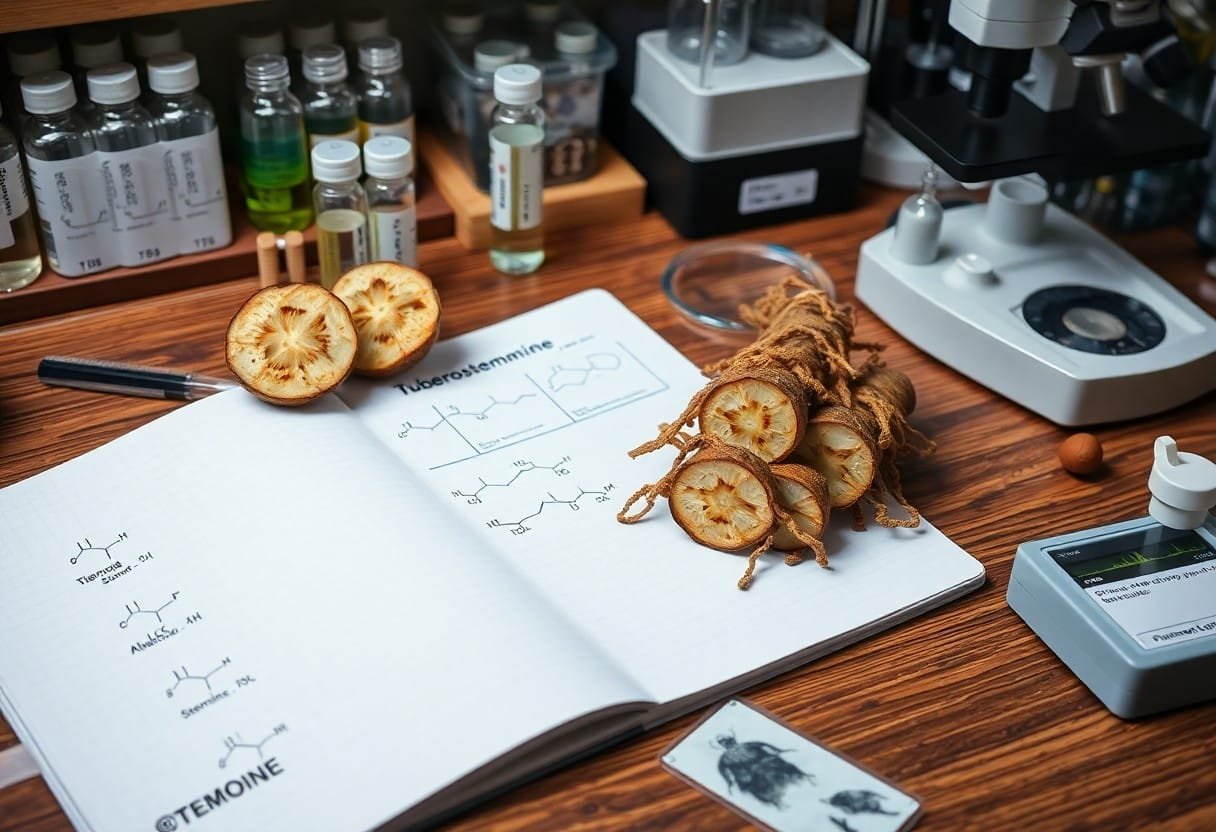
Research reveals that Stemona species contain a complex mix of alkaloids, saponins and volatile oils; you can review product information like Bai Bu – Stemona – Max Nature for sourcing and composition summaries.
Chemical analyses using GC-MS and LC-MS have identified protostemonine and stemonine as major markers, and you will find modern studies linking these compounds to antitussive and insecticidal properties while noting variability between preparations.
Stemona Alkaloids: Protostemonine and Stemonine
Protostemonine and stemonine represent the principal alkaloids responsible for Stemona’s activity, and you will encounter reports showing isolated alkaloids reduce cough reflexes in animal models and demonstrate toxicity to arthropod pests, making them key quality indicators.
Pharmacological Mechanisms of Antitussive and Insecticidal Action
Actions on the cough reflex appear to involve modulation of airway sensory nerves and suppression of peripheral cough pathways, while insecticidal activity stems from neurotoxic interactions with pest nervous systems; you should treat most evidence as preclinical.
Clinical and translational data remain limited, but you can find dose-response animal studies indicating antitussive effects and acceptable safety margins at traditional doses; you should consult current literature before combining Bai Bu with other respiratory or neuroactive agents.
Administration, Dosage, and Safety
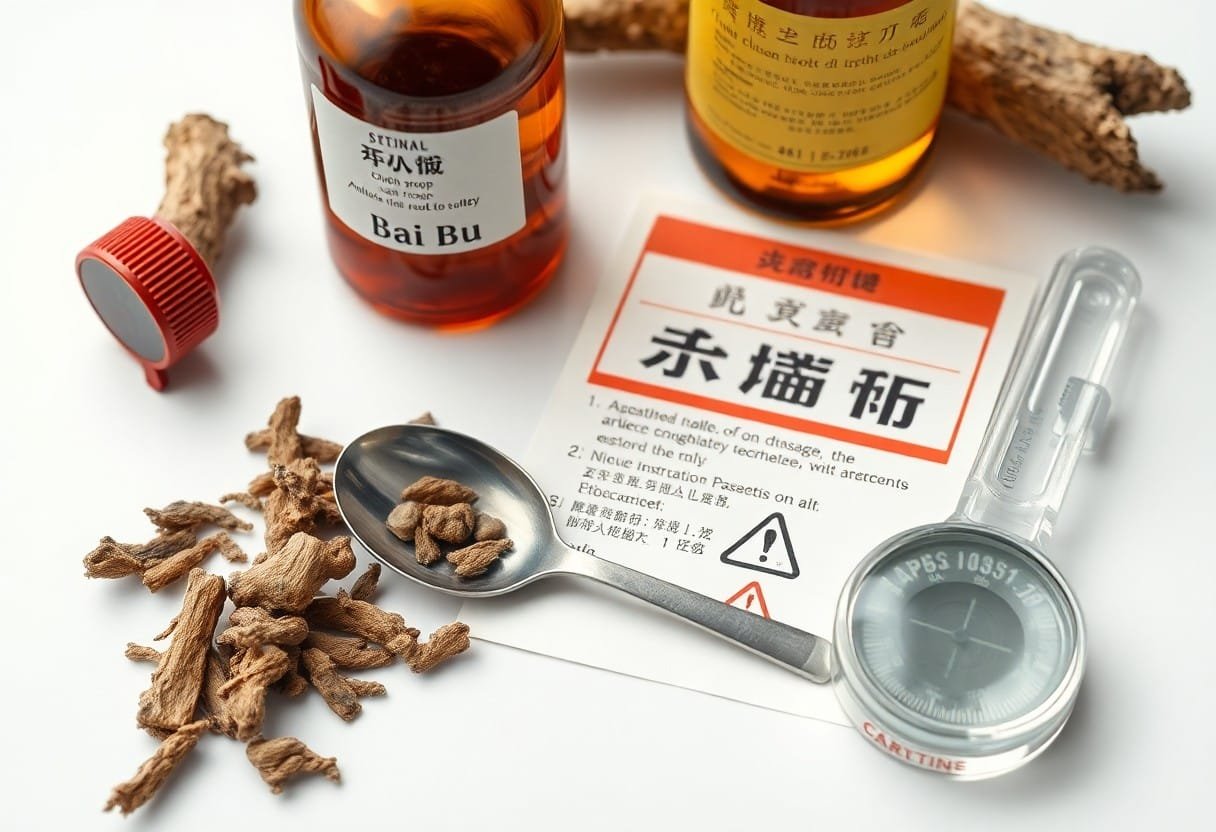
You can take Bai Bu as a decoction (commonly 3-9 g of dried root) or use concentrated preparations; follow product labeling and your practitioner’s guidance. For a standardized option see 2 Bottles Health Herbal-Bai Bu/Stemona Root 100 …, and avoid self-escalating dose or prolonged unsupervised use.
Monitor for nausea, gastrointestinal upset, dizziness, or allergic reactions and discontinue if these occur. Pregnant or breastfeeding people and young children should avoid Bai Bu unless supervised by a qualified TCM practitioner.
Formulations: Decoctions, Tinctures, and Topical Washes
Decoctions deliver the moistening antitussive effect-simmer 3-9 g for 20-30 minutes for a daily dose; tinctures are more concentrated (often 1-3 ml two to three times daily depending on strength). Topical washes use a cooled infusion for parasite-affected skin, avoiding open wounds and mucous membranes, and you should adjust form and dose to your constitution and symptom severity.
Contraindications and Cautions for Spleen and Stomach Deficiency
Avoid Bai Bu if you show signs of spleen and stomach deficiency such as loose stools, poor appetite, bloating, or chronic fatigue, since its moistening nature can worsen dampness and diarrhea in weak digestion.
Consult a licensed TCM practitioner to reduce dose, pair Bai Bu with spleen-invigorating herbs, or select alternatives; track stool frequency, appetite, and energy while using the herb to ensure you do not exacerbate digestive weakness.
Final Words
Upon reflecting, you should consider Bai Bu (Stemona Root) as a moistening antitussive for chronic cough and as an agent against certain parasites, supported by traditional use and emerging studies. For sourcing and detailed profiles consult Bai Bu | Stemona | 百部, and discuss appropriate dosing and interactions with a qualified practitioner before use.