
Step into the aromatic world of Xiang Bei Yang Ying Tang, a nourishing embrace steeped in centuries of Chinese tradition. This beloved soup, celebrated for its delicate harmony of flavors and health-giving properties, represents the artful blend of natural ingredients with mindful practice.
At the heart of this culinary gem lies a philosophy centered on balance and restoration. It’s more than just a meal—it’s a testament to the wisdom of using food as medicine.
Join us on this journey as we explore the origins, ingredients, and unique preparation techniques that transform common elements into a restorative treasure. Whether you’re looking to dive deeper into traditional Chinese cuisine or seeking a warming antidote to modern life’s hustle, this guide will equip you with everything to savor the full experience of Xiang Bei Yang Ying Tang.
What is Xiang Bei Yang Ying Tang and Its Origin?
Xiang Bei Yang Ying Tang, often referred to as a “Nourishment Decoction,” is a staple of traditional Chinese cuisine. This soothing soup traces its roots to the renowned Huaiyang culinary tradition, which is famed for its subtle yet intricate flavors and dedication to preserving the natural essence of ingredients.
Ancient Chinese wisdom emphasizes the harmonious balance of the body’s energy, or "Qi," and this soup serves as a time-honored remedy to nurture well-being. The name itself is a pointer towards its therapeutic purpose: ‘Yang’ implies nurturing, and ‘Ying’ translates to nutrition—together, they embody a blend that is rich in both taste and benefits.
Traditionally prepared with medicinal herbs, tender meats, and fresh seasonal produce, each component is carefully selected for its unique properties, allowing the flavors to meld into a comforting bowl of culinary serenity. The slow-cooked process not only extracts optimal nourishment but also infuses the broth with a silky, savory character.
The origins of Xiang Bei Yang Ying Tang lie in the practical wisdom of early Chinese herbalists who sought to support health through diet, paving a path where food and medicine intertwine seamlessly in a humble yet profound dish.
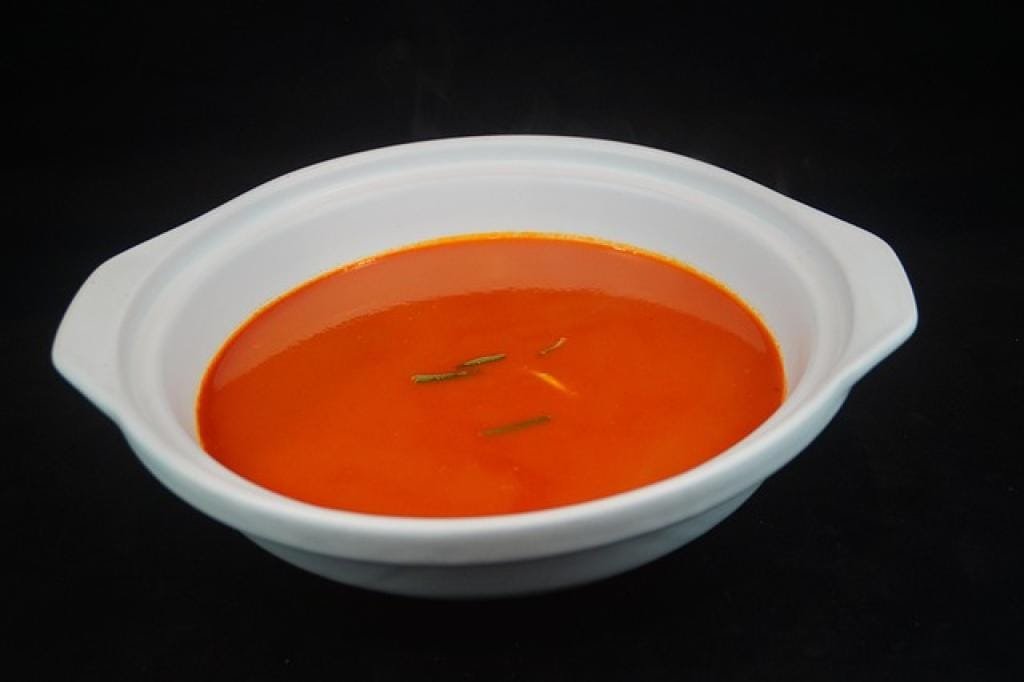
Key Ingredients & Cooking Techniques
At the heart of Xiang Bei Yang Ying Tang are ingredients that not only delight the palate but also provide a symphony of health benefits. Authentic recipes often include goji berries, Chinese yam, and red dates, each known for its unique restorative properties.
Core Ingredients
Goji berries, cherished for their antioxidant qualities, contribute a subtle sweetness, while Chinese yam brings a creamy texture and aids digestion. Red dates, or jujubes, offer a hint of natural sugar and are traditionally used to boost energy and improve blood circulation.
To build a rich and complex broth, lean meats like chicken or pork are commonly used. These proteins impart depth and earthy character as they gently simmer, releasing their essence over a low flame.
Cooking Essentials
The cooking technique is as vital as the ingredients. Slow simmering is key, coaxing out flavors while maintaining the integrity of each element. The process ensures that nutrients are preserved, allowing the soup to fully embody its nourishing intent.
For the best results, patience is your best spice. With time, these ingredients transform into a harmonious broth that not only comforts the body but also replenishes the spirit with each warming bowl.
Health Benefits of Xiang Bei Yang Ying Tang
Xiang Bei Yang Ying Tang is more than a culinary delight; it’s a celebration of natural healing. Each ingredient is purposefully chosen to produce a soup that nourishes the body from within, aligning with the traditional Chinese belief that food can be medicine.
Immune System Support
Goji berries, brimming with antioxidants, help strengthen the immune system, protecting the body against everyday stresses and infections. Meanwhile, red dates contribute to improved circulation, enhancing the delivery of nutrients throughout the body.
The proteins used in the soup, such as chicken or pork, provide essential amino acids that support muscle health and repair. Slowly simmered to perfection, these meat stocks are rich in collagen, which aids in joint health and promotes skin elasticity.
Digestive and Energy Boost
Chinese yam is prized not only for its creamy consistency but also for its ability to soothe the gastrointestinal tract. Its high fiber content aids digestion and maintains energy levels by providing a steady release of carbohydrates.
This comforting soup also supports mental wellness. The warm, nourishing broth helps to calm the mind, making it an ideal choice in times of stress or fatigue. Whether enjoyed as a restorative meal or a preventive health measure, Xiang Bei Yang Ying Tang embodies the nurturing power of nature’s bounty.
Traditional Variations & Regional Specialties
The beauty of Xiang Bei Yang Ying Tang lies in its adaptability, allowing each region and family to infuse their unique touch. While the foundational ingredients form the heart of this soup, regional variations reflect local tastes and available produce.
In the Jiangsu Province, home to the Huaiyang tradition, the soup might be enhanced with lotus seeds, adding a floral hint and additional nutrient density. This delicate variation highlights the region’s penchant for finesse in flavor and presentation.
Meanwhile, in the mountainous areas of Sichuan, a touch of pepper or ginger might be included to ramp up the warmth, mirroring the region’s love for bold and spicy dishes. These additions create a comforting bowl with a gentle, heartwarming kick.
Flavors of the South
In southern China, ingredients like shiitake mushrooms or bamboo shoots may be incorporated, further enriching the soup’s umami profile. These earthier versions resonate with the southern palate, known for its appreciation of deep, savory, and aromatic flavors.
Whether it’s the inclusion of unique spices or a focus on specific ingredients, each variation of Xiang Bei Yang Ying Tang serves as a testament to the diversity of Chinese culinary art, celebrating both commonality and regional uniqueness in every spoonful.
The Bottom Line: How to Enjoy and Appreciate Authentic Chinese Soup
Embracing the flavors and benefits of Xiang Bei Yang Ying Tang invites you into a rich tapestry of history and tradition. As you savor each spoonful, you’re tasting more than just a meal; you’re experiencing the centuries-old wisdom of balance and nurturance.
Begin by selecting quality ingredients, as they are the soul of the soup. Fresh vegetables, herbs, and meats contribute not only to flavor but also to the holistic benefits that have been cherished across generations.
As you prepare the soup, remember that patience is key. Allowing it to simmer slowly ensures that the nutrients are fully extracted, and each component gets the opportunity to shine. This cooking process, much like meditation, offers a moment to slow down and connect with the food you are creating.
When serving, take a moment to appreciate the aroma, the warmth, and the harmonious blend of flavors that have come together. Whether shared with loved ones or enjoyed as a solo, reflective meal, the soup offers a genuine taste of Chinese cultural heritage.
To extend the experience, pair the soup with a side of jasmine tea or a simple stir-fried vegetable dish. These accompaniments can complement the nourishing qualities of the soup, making for a balanced and fulfilling dining engagement.
Ultimately, appreciating Xiang Bei Yang Ying Tang lies in the intention and care brought to its preparation and consumption. By immersing yourself in its creation and savoring each detail, you’ll not only feed your body but also enrich your soul, enjoying an authentic experience that connects you with a timeless culinary tradition.