
In the serene dance of leaves unfurling in hot water lies an ancient art form—a tapestry of flavors, traditions, and stories. Chinese tea blending, known as "Shi Wei Xiang Ru Yin," is more than the mere combination of leaves; it’s an exploration of harmony, character, and nature’s bounty.
Rooted in centuries of tradition, this practice invites us to savor not just the taste but the history and craft wrapped in every sip. Each blend tells stories of regions, climates, and artistry where the past whispers through the leaves.
Whether you’re a seasoned tea aficionado or a curious newcomer, join this journey to discover how Chinese tea blending continues to offer solace and stimulation in equal measure, bridging the worlds of tradition and innovation.
Exploring the Art of Shi Wei Xiang Ru Yin Chinese Tea
At the heart of Chinese tea blending lies a delicate balance, where nature meets the hand of the artisan. Carefully selected leaves are combined to create symphonies of flavor, each note meticulously considered to enhance the overall experience.
This ancient practice involves understanding the unique properties of each tea leaf—its origin, aroma, texture, and character. The knowledge passed down through generations guides the blender, who seeks harmony by melding these attributes into a unified whole.
The rituals of blending invite patience and mindfulness. As the leaves are brewed, seasons come alive, whispering the tales of sunlit fields and misty mountaintops. It’s a dance of senses that offers a momentary escape from the clamor of daily life.
Shi Wei Xiang Ru Yin serves as a testament to time-honored techniques and evolving creativity in tea crafting. It’s a space where ancestral wisdom and contemporary innovation coalesce, inviting both seasoned connoisseurs and newcomers to explore this rich and fragrant world.
The Key Elements of Chinese Tea Blending
The art of Chinese tea blending is a harmonious interplay of several essential components, each contributing uniquely to the final creation. Foremost among these is the selection of high-quality tea leaves. Understanding the character of each varietal, from robust black teas to delicate greens, forms the foundational step in crafting blends that sing.
Balancing Flavors and Textures
Balancing is a subtle craft, requiring both knowledge and intuition. The blend should create a balanced taste profile that neither overwhelms nor fades. A skilled blender carefully marries the textures—smooth, astringent, or silky—to complement and enhance one another.
Aroma and Color
Aroma is a gateway to the soul of a tea blend. The scent should engage the senses with inviting floral, spicy, or earthy notes that hint at the flavors to come. Equally vital is the visual allure, where the color of the brewed tea, whether golden, amber, or deep red, entices the eyes, setting the stage for the ensuing experience.
In Chinese tea blending, every aspect is a thread in a woven story, inviting those who partake to pause, appreciate, and connect with this ancient tradition.
Traditional Vs. Modern Approaches to Tea Blending
Tea blending, a craft enriched by tradition, now gracefully welcomes modern innovation. Each approach carries its distinct charm, telling stories both age-old and refreshingly new. Traditional blends are often steeped in regional lore, guided by tried-and-true methods perfected over generations. These creations rely on instinct and passed-down expertise to celebrate classic flavors.
In contrast, modern blending methods embrace a spirit of experimentation. Armed with advanced technologies and a plethora of global ingredients, modern artisans push boundaries to create novel, unexpected combinations. This contemporary wave brings forth blends that may feature hints of vanilla, citrus, or exotic spices, widening the spectrum of what tea can be.
Bridging Old and New
Though distinct, these approaches need not exist in isolation. There is a compelling beauty in blends where tradition meets innovation. New generations of blenders often honor classic methods while infusing them with contemporary elements, elevating the art form to new heights.
In this fusion, the essence of tea itself remains unchanged—a connector of people, an echo of nature, and a joyful, shared experience. As we explore both old and new paths, we see the continued evolution of tea’s rich, aromatic tapestry.
Unlocking the Secrets Behind Flavor Profiles
The true artistry of tea blending lies within the intricate layers of flavor profiles crafted with intention and care. Each sip is a journey, revealing secrets whispered by the leaves and the careful hands that combined them. These flavor profiles are meticulously crafted through the selection and proportion of ingredients, teasing out the subtleties and complexities innate to each tea.
Every tea carries a foundation of basic flavor notes, from earthy to floral, citrusy to sweet. Unveiling the full potential of these flavors requires an understanding of not only the tea leaves themselves but also their interaction with added components. It’s about finding balance—a dance between boldness and subtlety, where harmony reigns.
The Role of Terroir and Processing
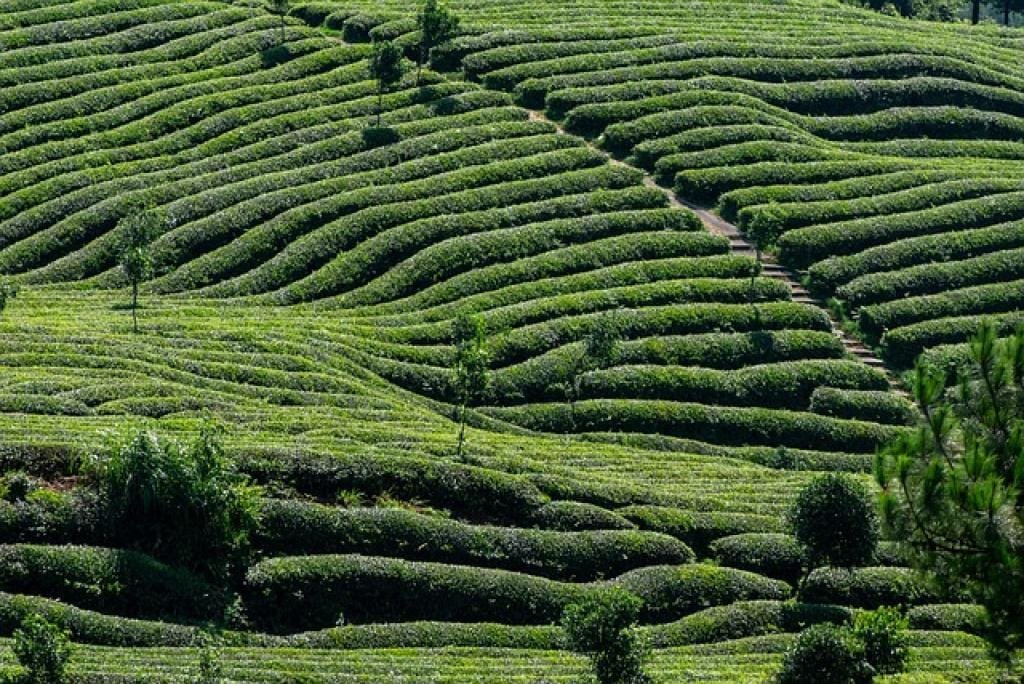
A tea’s character is profoundly influenced by its terroir, the combination of soil, climate, and altitude where it’s grown. Processing methods further refine this identity, affecting tannins, sweetness, and aromatic qualities. Understanding these elements helps blenders unlock the full spectrum of possible flavors, leading to creations that both surprise and comfort.
In the end, a masterful blend captures the essence of nature, heritage, and innovation in every cup, inviting us to discover stories and sensations waiting to be explored.
Creating Perfect Tea Blends: A Masterful Craft
As we navigate the world of Chinese tea blending, we uncover a rich tapestry woven from tradition, creativity, and nature’s bounty. The art of creating perfect tea blends is not merely a matter of mixing leaves; it’s a journey that requires patience, a deep understanding of flavors, and a passion for exploration.
In blending tea, artisans become storytellers, crafting tales through the aromas and flavors they create. Each cup becomes a dialogue between the ancient and the contemporary, allowing us to appreciate the depth of experience contained in every sip. These blends honor the legacy of generations who have honed this craft, all the while embracing innovation and fresh interpretations.
While traditional teas are revered for their time-honored flavors, it is the willingness to experiment that brings forth new and exciting possibilities. By marrying tried-and-true techniques with modern creativity, today’s tea blenders continue to push the boundaries, offering unique profiles that captivate the senses and enrich our tea-drinking rituals.
As enthusiasts, whether seasoned or newly intrigued, we are invited to partake in this evolving narrative. Choosing a blend becomes an act of connection—tasting the earth’s gifts, honoring culinary heritages, and celebrating the creativity of those who craft these sensory experiences.
In appreciating the masterful craft of tea blending, we deepen our own relationship with this beloved beverage, finding pleasure not just in the act of drinking but in the appreciation of the artistry that makes each cup special. With every brew, we open ourselves to a moment of calm, reflection, and community—a simple yet profound reminder of the beauty in balance and the endless possibilities within a teacup.