
In the realm of human creation, ancient architecture stands as a testament to our ancestors’ wisdom and artistry. Among these age-old marvels, Traditional Chinese Architecture unfolds a unique tapestry of cultural depth and historical grandeur.
This intricate blend of form and function, famously punctuated by concepts like "Jin Shui Liu Jun Jian," or the "Golden Water Flowing Pavilion," reflects a keen understanding of harmony between mankind and the natural world. These structures, with their sweeping eaves and intricate carvings, whisper stories of dynasties long past and philosophies rooted in balance and longevity.
Yet, beyond their aesthetic appeal, such constructions embody profound principles of feng shui and ancient engineering, crafting spaces that promise both contemplation and community.
As we peel back the layers of time and tradition, we’ll uncover how these architectural wonders not only shaped the landscapes of a bygone era but also continue to influence modern design principles today. Join us on this fascinating journey to discover the timeless secrets held within the ancient stones and timber of China’s architectural heritage.
Exploring the History of Jin Shui Liu Jun Jian
Nestled within the annals of Chinese history, the Jin Shui Liu Jun Jian emerges as a symbol of grandeur and ingenuity. This architectural gem is believed to have been conceived during the Tang dynasty, a time when art, culture, and architecture flourished under imperial patronage.
Constructed with meticulous precision, these pavilions mirrored the philosophical tenets of harmony and balance. They were strategically positioned to harness the natural flow of energy — or "qi" — vital for prosperity and peace. The very name "Golden Water Flowing Pavilion" evokes a sense of fluid elegance, reflecting a deep reverence for nature’s rhythms.
The evolution of these structures over successive dynasties showcased advancements in architectural techniques. Each era left its indelible mark, weaving layers of innovation while preserving the essence of tradition. The delicate balance between innovation and tradition is a testament to a culture that revered continuity yet embraced change.
As the Jin Shui Liu Jun Jian stands resilient against the tide of time, it invites us to explore not just the physical space it occupies, but also the cultural and historical narratives interwoven with its timber and stone. This enduring legacy continues to inspire architects and historians alike, guiding the future with its timeless wisdom.
The Unique Architectural Features of Jin Shui Liu Jun Jian
Within the exquisite framework of the Jin Shui Liu Jun Jian, we find a blend of architectural mastery and natural integration. Each element has been thoughtfully designed to reverberate with the philosophies of balance and symmetry.
The sweeping eaves, a hallmark of traditional Chinese architecture, gracefully extend outward, offering shelter while creating striking silhouettes against the sky. These eaves are not mere structural components; they embody a delicate dance between form and function, carefully crafted to channel the flow of rainwater.
Harmonious Design
Intricate carvings adorn the beams and panels, depicting motifs of flora and fauna that symbolize prosperity and longevity. These artistic details serve more than an ornamental purpose; they anchor the pavilion in its surrounding environment, narrating tales of cultural significance and local folklore.
The strategic use of materials like timber and stone not only ensures durability but also facilitates a seamless union with the natural landscape. Lattice windows allow dappled sunlight to filter into the interior, creating dynamic plays of light and shadow that enhance the serene ambiance.
True to its name, the Jin Shui Liu Jun Jian incorporates water elements, such as ponds or flowing streams, around its base. These features reflect both literal and philosophical flows, embodying the continuous exchange between constructed spaces and the natural world, inviting visitors to pause and refresh their spirits amid timeless beauty.
Symbolism in Traditional Chinese Architecture at Jin Shui Liu Jun Jian
The Jin Shui Liu Jun Jian is steeped in symbolism, each element a canvas for cultural expression and philosophical ideals. This architecture transcends mere functionality, weaving intricate stories into its very fabric.
Color plays a pivotal role, with reds symbolizing joy and good fortune, while greens and blues evoke nature and tranquility. These hues are meticulously chosen to reflect the intended ambiance and purpose of each space within the structure.
Cultural Narratives
Architectural geometry further enhances symbolism, where the square often represents the earth and the circle, the heavens. This alignment serves to create harmony and balance, key tenets in Chinese philosophy. Spatial layout often mirrors cosmological beliefs, providing a sense of unity between the human and celestial realms.
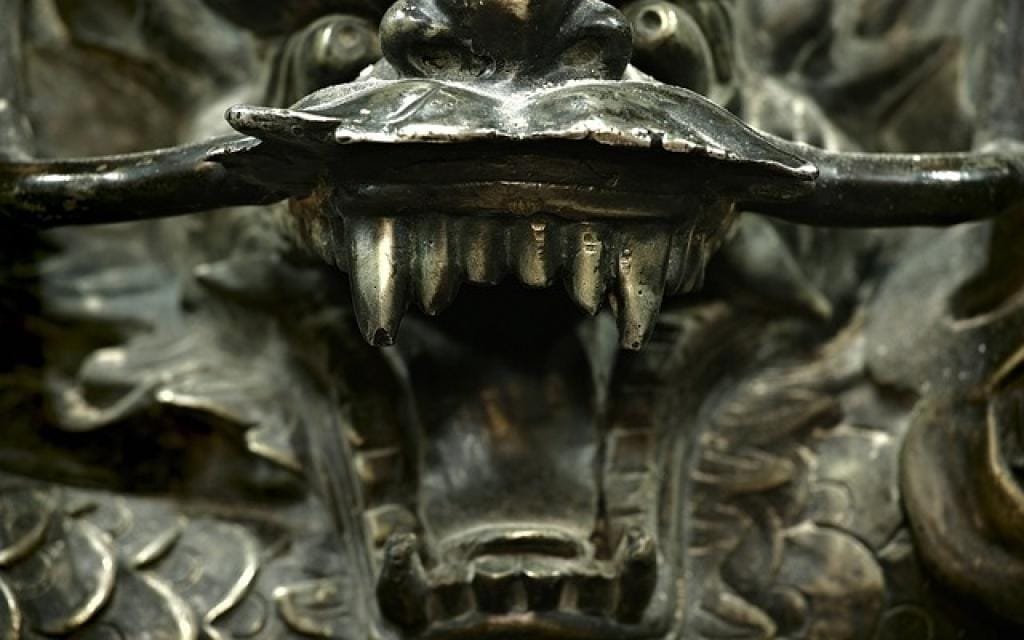
Animal motifs, such as dragons and phoenixes, are skillfully integrated into the design. Representing power and renewal, these creatures offer protection and infuse the structure with auspicious energy. Their presence reinforces cultural continuity, bridging past and present with timeless eloquence.
In captivating fusion, the Jin Shui Liu Jun Jian embodies a respect for tradition while conveying universal themes that resonate across time and culture. It stands as a silent yet eloquent testament to the enduring spirit of Chinese civilization, inviting all who enter to reflect on the intricate interplay of symbolism and meaning etched into its ancient bones.
The Construction Techniques Behind Jin Shui Liu Jun Jian
The construction of the Jin Shui Liu Jun Jian reveals an extraordinary mastery of ancient techniques that marry practicality with art. Craftsmen of the past employed methods that harnessed natural materials, ensuring durability while respecting the environment.
Central to these techniques is the sophisticated use of mortise and tenon joints. This method, requiring no nails, creates a flexible yet strong framework capable of withstanding the test of time and the forces of nature. It allows these structures to remain stable during earthquakes, a testament to the ingenuity of traditional builders.
Precision was key in selecting and shaping timber, ensuring each piece fit seamlessly into its designated place. The wood was often treated with natural oils and resins to enhance longevity and resistance to the elements, blending technology with sustainability practices long before modern green-building initiatives.
Construction was a communal effort, with artisans and laborers working in harmony to interpret the architect’s vision. Attention to detail extended beyond function to include the aesthetic—ensuring every beam, tile, and carving aligned not only structurally but also with the artistic and spiritual essence of the design.
Today, these robust techniques continue to inspire modern architecture, offering invaluable insights into sustainable building practices through the lens of ancient wisdom.
The Influence of Feng Shui on Jin Shui Liu Jun Jian
Feng Shui, the ancient art of spatial harmony, is integral to the architectural philosophy of the Jin Shui Liu Jun Jian. This practice guides the alignment of structures within the surrounding environment, ensuring that they capture and enhance the flow of energy, or "qi."
At its core, feng shui involves a delicate balance of elements, such as earth, water, and wood. The placement of the Jin Shui Liu Jun Jian is no coincidence; it is carefully situated to align with natural landforms and waterways, optimizing both environmental synergy and spiritual well-being.
The orientation of the pavilion follows specific principles designed to maximize light, air circulation, and protection from adverse weather, all while promoting prosperity and tranquility. Doors and windows are strategically positioned to invite beneficial qi into the space, creating an ambiance of peace and balance.
Feng Shui’s influence extends to the interior, where furnishings and decor adhere to principles that enhance the flow of positive energy. The holistic consideration of both physical and energetic spaces reflects an understanding that architecture transcends the tangible, aiming to nurture the spirit and foster a harmonious existence.
Through the lens of feng shui, the Jin Shui Liu Jun Jian stands as a beacon of ancient wisdom, illustrating how thoughtful design can elevate everyday spaces into realms of profound spiritual and physical harmony.
Preservation Efforts for Jin Shui Liu Jun Jian in Modern Times
In an era where modernization often overshadows history, the preservation of Jin Shui Liu Jun Jian stands as a crucial bridge between past and present. These architectural gems face the inexorable challenges of time, weather, and human activity, making preservation an ever-evolving endeavor.
Dedicated teams of historians, architects, and craftsmen are at the forefront of these efforts, employing techniques that honor traditional methods while incorporating modern technologies. Restorations often involve meticulous research to ensure authenticity, matching materials and techniques to those originally used centuries ago.
Conservation strategies also focus on education, fostering public awareness about the historical and cultural significance of these ancient pavilions. By cultivating a deep appreciation within local and global communities, preservationists aim to inspire collective responsibility for safeguarding this shared heritage.
Furthermore, adaptive reuse projects breathe new life into these spaces, ensuring they remain vibrant and relevant. By integrating functionality with preservation, these initiatives demonstrate how ancient architecture can coexist with contemporary society, enriching it with cultural depth and continuity.
Supported by both governmental initiatives and global conservation organizations, these preservation efforts reaffirm a commitment to protecting the enduring legacy of the Jin Shui Liu Jun Jian. They serve as a poignant reminder that the wisdom and beauty of the past continue to illuminate our path forward.
Conclusion
In parting, as we reflect on the Jin Shui Liu Jun Jian, it becomes apparent that these timeless structures are more than architectural achievements. They embody rich stories, philosophies, and meticulous craftsmanship passed down through generations. This exploration has revealed how traditional Chinese architecture, with its intricate balance of beauty and functionality, remains profoundly relevant today.
The interweaving of symbolism with construction techniques shows a remarkable blend of art and science. Meanwhile, feng shui principles continue to guide the spatial harmony that defines these enduring spaces, marrying human ingenuity with nature’s rhythms.
Preserving these ancient treasures is not simply about maintaining the physical structures. It is an act of keeping alive the cultural wisdom and values they represent. Through dedicated conservation efforts and public engagement, we are reminded of our shared responsibility to nurture this precious heritage for future generations.
In conclusion, the Jin Shui Liu Jun Jian stands as an enduring reminder of the profound connection between humanity and the natural world. It inspires us to consider how modern design might similarly reflect thoughtful stewardship over the spaces we inhabit.
As we move forward, the legacy of this ancient architecture encourages a renewed commitment to sustainability and cultural preservation. It invites us to treasure the narratives etched into each beam and carving, ensuring these echoes of the past continue to guide and inspire us well into the future.