
Step into the world of Traditional Chinese Medicine (TCM), where harmony with nature is the key to health. "Zing Ren Hua Shi Tang" is a testament to this philosophy—a potent herbal decoction that has stood the test of time.
Originating from centuries of wisdom, Zing Ren Hua Shi Tang brings together a precise blend of herbs, known for their individual and synergistic properties. Each plant holds a story, a role in nurturing the body’s balance, and supporting its ability to heal.
In our modern world, where pharmaceutical solutions often take center stage, this ancient remedy invites us to pause and reflect on nature’s bounty. As you explore its components and their benefits, a rich tapestry of tradition and modern research emerges.
Join us as we uncover the secrets behind this revered formula, bridging ancient practices with contemporary understanding. Whether you’re a seasoned herbalist or simply curious, there’s something for everyone on this journey into the heart of herbal healing.
Introduction to Zing Ren Hua Shi Tang
Zing Ren Hua Shi Tang is more than just a herbal concoction; it is a symbol of the deep-rooted wisdom embedded within Traditional Chinese Medicine. This blend, which translates to "Apricot Kernel and Talc Decoction," draws its potency from a careful selection of botanicals.
Each ingredient is chosen not only for its unique healing properties but also for how it complements and enhances the others. The formula is crafted to address specific imbalances within the body, often linked to issues such as dampness and respiratory discomfort.
The synergy between its components serves both defensive and restorative purposes. By aligning these herbs, Zing Ren Hua Shi Tang supports the body’s natural processes, fostering resilience and restoration in the face of imbalance.
Grounded in thousands of years of practice, this formula has been used to soothe and stabilize, offering relief to many. In its essence, Zing Ren Hua Shi Tang embodies the principles of TCM—holistic care that honors both the individual and the interconnectedness of nature’s offerings.
In exploring Zing Ren Hua Shi Tang, we not only appreciate an ancient formula, but also deepen our understanding of the enduring relationship between humans and nature.
The History and Origins of Traditional Chinese Herbal Medicine
Traditional Chinese Herbal Medicine is a tapestry woven from millennia of observation, experimentation, and deep reverence for nature’s wisdom. Its roots plunge into the ancient soils of China, tracing back over 2,500 years, to eras where healers meticulously documented the properties and effects of countless plants.
The earliest texts, such as the "Shennong Bencao Jing" or "The Divine Farmer’s Materia Medica," form the foundation of TCM’s herbal knowledge. These texts catalogued the therapeutic uses of herbs, laying down principles that would evolve and adapt over centuries.
At the heart of this tradition lies a philosophy that perceives health as a dynamic equilibrium. The balance between yin and yang, the five elements, and the vital life force known as Qi are central to diagnosing and treating ailments.
Practitioners of TCM have long recognized that each person is a unique blend of these elements, requiring personalized approaches to healing. This perspective ensures that, even as the practice evolves, it remains rooted in its original intent of harmony and balance.
Through dynastic changes, cultural shifts, and modernization, the essence of Traditional Chinese Herbal Medicine has endured, testament to its timeless principles and adaptability. It continues to be a living tradition, enriched by each generation’s insights.
The Key Ingredients in Zing Ren Hua Shi Tang
At the heart of Zing Ren Hua Shi Tang are carefully selected herbs, each playing a vital role in the overall effectiveness of the formula. This blend of ingredients reflects the wisdom of traditional herbal combinations, designed to restore balance and support the body’s natural healing processes.
Apricot Kernel and Its Role
The primary ingredient, apricot kernel (Xing Ren), is celebrated for its ability to soothe the lungs and alleviate coughs. Rich in beneficial compounds, it acts as a gentle emulsifier, supporting respiratory health and easing discomfort.
Talcs, or Hua Shi, provide a grounding force within the decoction. This mineral component helps dispel dampness and clear heat, contributing to a drying effect that can be beneficial in conditions of excess internal moisture.
Complementing these key players are other herbs such as gypsum and licorice root. Gypsum, known for its cooling properties, further aids in relieving heat, while licorice root harmonizes the blend, enhancing the effects of the other ingredients and improving the taste.
The intentional synergy among these herbs exemplifies how traditional herbalists viewed medicinal plants—as partners in healing, each playing its part within the broader canvas of well-being. Together, these ingredients form a harmonious blend, rooted deeply in the traditions of Chinese herbal wisdom.
Understanding the Health Benefits of Zing Ren Hua Shi Tang
Zing Ren Hua Shi Tang offers a multitude of benefits, reflecting the holistic approach of Traditional Chinese Medicine. This formula is primarily utilized for its ability to address imbalances involving dampness and heat within the body, offering relief from specific respiratory issues and promoting general well-being.
The decoction is traditionally used to alleviate symptoms such as coughs and difficulty breathing. The apricot kernels, known for their expectorant properties, help in clearing the lungs and easing discomfort, making it a go-to choice for respiratory afflictions.
Dampness and Heat
One of the core benefits of this blend lies in its capacity to clear damp heat. This traditional concept refers to internal conditions where excess moisture and heat manifest, leading to feelings of heaviness, swelling, or irritation. By dispelling these unwanted elements, Zing Ren Hua Shi Tang helps restore the body’s natural equilibrium.
And with that in mind, the formula’s composition supports digestive harmony. Some of the herbs included work to invigorate the spleen and stomach, classical organ systems involved in the transformation and transportation of fluids in the body.
By addressing these root causes, Zing Ren Hua Shi Tang doesn’t just provide symptomatic relief, but also supports the body’s intrinsic capacity for resilience and renewal. This approach highlights the timeless wisdom of TCM, where health is seen as the balanced flow of energy and elements, nurtured by the gifts of nature.
How to Incorporate Zing Ren Hua Shi Tang Into Your Wellness Routine
Introducing Zing Ren Hua Shi Tang into your wellness regimen invites an embrace of both tradition and personal care. This decoction can be a soothing companion in nurturing your health journey, supporting both prevention and recovery.
Choosing Quality Ingredients
Start by sourcing high-quality herbs, as authenticity and purity greatly influence the effectiveness of the decoction. Reputable suppliers who understand TCM principles can offer guidance and ensure that you receive genuine ingredients.
Preparation of this herbal formula often involves simmering the dried herbs in water to extract their beneficial compounds. The process itself can become a mindful ritual, inviting you to slow down and connect with nature’s rhythm.
Incorporate the decoction into your routine at times that align with its intended benefits, such as when experiencing respiratory discomfort or changes in weather that might trigger dampness and heat accumulations.
Complementary Lifestyle Practices
Pairing Zing Ren Hua Shi Tang with lifestyle practices that support its effects can enhance your overall well-being. Practices like Qi Gong, meditation, or gentle exercises can synergize with the formula, promoting a deeper balance within the body.
Remember, as with any addition to your health routine, it’s wise to consult a healthcare professional or a TCM practitioner. They can provide personalized advice, ensuring that this treasured blend best supports your unique health needs. As you integrate this ancient decoction into modern life, you connect with a lineage of wisdom that has been nurturing humanity for generations.
Exploring the Traditional Uses and Cultural Significance
Zing Ren Hua Shi Tang, like many TCM formulas, is steeped in cultural and historical significance, embodying a bridge between past practices and modern health care. Its use is a testament to the enduring wisdom of traditional Chinese approaches to healing and wellness.
In traditional settings, this decoction has been recognized for its abilities to bring comfort in times of imbalance, primarily addressing symptoms linked with respiratory issues and internal dampness. It was, and still is, a part of practices that look beyond mere symptoms, seeking instead to nurture the body’s inherent harmony.
A Legacy of Healing
Within the cultural tapestry of TCM, Zing Ren Hua Shi Tang is more than just medicinal. It represents a holistic worldview where each individual’s health is a reflection of their balance within the natural environment. Traditional herbalists have offered this blend not only for its immediate benefits but for its role in encouraging preventive care—a concept resonant with the idea of living in tune with nature.
There’s a cultural grace in the way such formulas are handed down through generations, reflecting an understanding of life that interweaves health with the cycles of nature and time. Embracing Zing Ren Hua Shi Tang in contemporary life is an engagement with this legacy, a commitment to fostering balance and wellness in a deeply interconnected world.
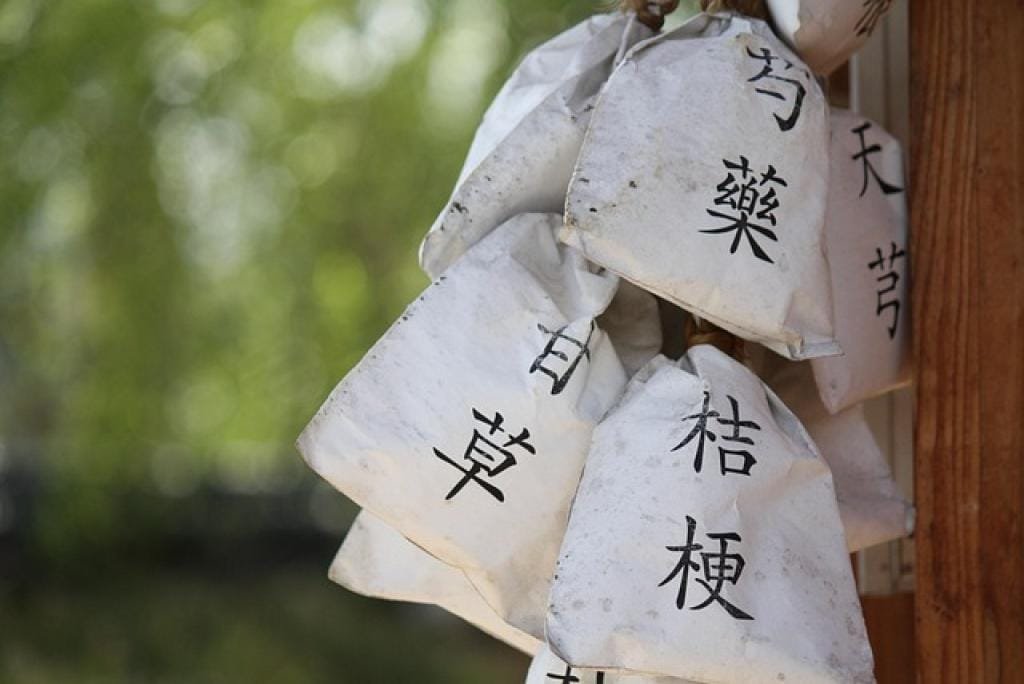
Unveiling the Modern Scientific Research on Zing Ren Hua Shi Tang
As our understanding of natural therapies evolves, Zing Ren Hua Shi Tang has stepped into the realm of scientific inquiry, catching the attention of researchers eager to explore its effects through a contemporary lens. Modern studies aim to bridge the traditional knowledge with empirical evidence, shedding light on how these age-old remedies interact with the biochemistry of the human body.
Recent investigations highlight the potential of its key ingredients in managing respiratory health. Research has indicated that the apricot kernel might offer certain compounds with anti-inflammatory and expectorant properties, aligning with its traditional use for soothing lung afflictions. These studies exemplify how modern science continuously uncovers new dimensions of traditional practices, reinforcing the potential benefits they can bring.
Additionally, the mineral components of the formula, like talc, have sparked interest for their potential role in addressing systemic imbalances. Scientists are examining how such elements contribute to overall health when incorporated into dietary practices, seeking clarity on the mechanisms behind their time-honored effectiveness.
Such research represents a harmonious blending of the old and new, enriching our choices for health and wellness. While ongoing studies continue to unfold this blend’s potential, Zing Ren Hua Shi Tang remains a luminous example of how ancient wisdom can guide modern healing pathways.
The Bottom Line: Embracing the Power of Traditional Chinese Herbal Medicine
In closing, Zing Ren Hua Shi Tang offers an inspiring glimpse into the world of Traditional Chinese Herbal Medicine, where the confluence of nature, culture, and science crafts a holistic path to wellness. This blend embodies a living tradition that cherishes balance and harmony as the cornerstone of health.
The time-honored wisdom of TCM, reflected in formulas like Zing Ren Hua Shi Tang, recognizes the profound connection between humans and the natural world. Its enduring use illustrates the potential benefits of looking beyond conventional medicine, embracing remedies that have supported generations.
Today, as modern science delves deeper into the workings of these traditional formulas, we find new reasons to appreciate their complexity and efficacy. Research continues to unlock the potential of these herbs, validating the experiences and insights carried by centuries of practice.
For those seeking balance and an integrative approach to health, embracing the principles of TCM offers a harmonizing journey. This ancient path invites us to consider our own body’s rhythms, to align them with nature’s cycles, and to find healing within the wisdom of time.
As you reflect on incorporating traditional herbal medicine into your routine, remember that it’s about enhancing and enriching your life in meaningful ways. In the union of ancient knowledge and modern understanding, there’s a wealth of potential to explore—a testament to the timeless power of nature’s own pharmacy, ready to nurture and sustain our well-being.